
Top exterior decorating tips to boost curb appeal
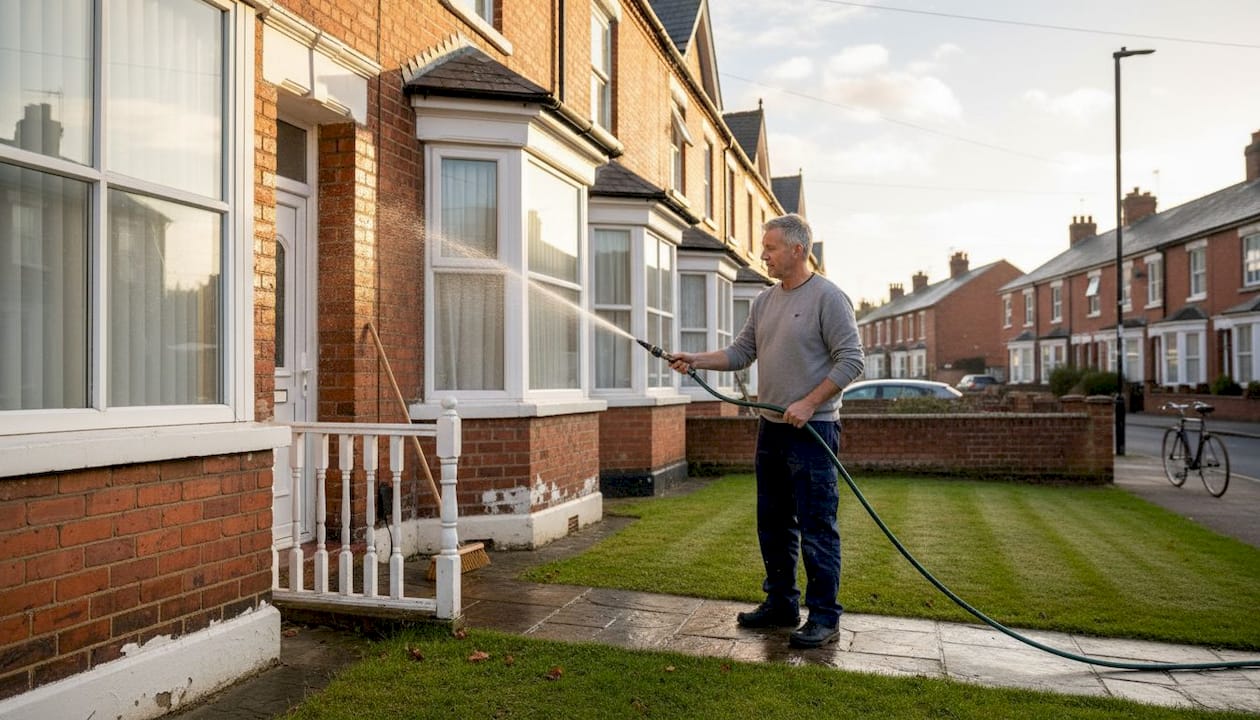
Your home’s exterior is the first thing anyone sees, and in the South West UK, it takes a real battering from the elements. Atlantic rain, coastal salt air, and unpredictable seasons can strip paint, breed mould, and leave timber looking tired within just a few years. The good news is that a well-planned approach to exterior decorating can dramatically lift your property’s appearance and protect it for years to come. Whether you’re preparing to sell, rent, or simply want your home to look its best on the street, this practical checklist walks you through every step, from surface prep to seasonal maintenance.
Table of Contents
Start with a spotless canvas: Surface cleaning and preparation
Choose the right paint and materials for the South West climate
Details make the difference: Doors, trims, and garden features
Maximise durability: Maintenance and weatherproofing strategies
Why first impressions trump perfection in exterior decorating
Key Takeaways
Point | Details |
Clean and prep first | Thorough cleaning and preparation are the foundation for a lasting exterior finish. |
Choose climate-smart materials | Select paints and finishes designed for the South West’s weather for best durability. |
Focus on key details | Doors, trims, and garden features create the strongest curb appeal for your property. |
Maintain for lasting value | Regular upkeep ensures your home stays attractive and protects your investment. |
Start with a spotless canvas: Surface cleaning and preparation
Before a single brush stroke goes on, the condition of your surfaces will determine everything. A clean, well-prepared surface is vital for paint to adhere and last, and skipping this stage is the single most common reason exterior paintwork fails prematurely. It sounds obvious, but many homeowners underestimate just how much work goes into proper preparation.
In the South West, the damp climate creates ideal conditions for mould, algae, and lichen to take hold on walls, sills, and fences. Flaking paint is another frequent issue, especially on older masonry or timber that has been exposed to years of wet winters. Salt air near the coast accelerates deterioration even further, meaning homes in places like Cornwall, Devon, or Dorset need extra attention before any painting begins.
Here is a step-by-step checklist to get your surfaces ready:
Inspect thoroughly. Walk around the entire exterior and note every area of flaking paint, cracking render, mould growth, or staining. Don’t overlook soffits, fascias, and window sills.
Clean all surfaces. Use a pressure washer or specialist exterior cleaner to remove dirt, algae, and loose material. For stubborn mould, apply a fungicidal wash and allow it to work before rinsing.
Scrape and sand. Remove all flaking or peeling paint with a scraper, then sand edges smooth so there are no ridges under the new coat.
Repair cracks and gaps. Fill any cracks in render or masonry with an appropriate exterior filler. Seal gaps around windows and doors with flexible exterior caulk.
Prime bare areas. Any newly exposed or repaired surface needs a coat of primer before topcoats are applied, or the paint simply won’t bond correctly.
Allow adequate drying time. Never paint onto damp surfaces. In the South West, this can mean waiting for a dry spell of at least two to three days.
Pro Tip: If your exterior surfaces are heavily soiled, covered in algae, or have not been cleaned in several years, investing in professional exterior cleaning before painting will save you significant time and produce a far superior finish.
Rushing preparation to get to the painting stage is a false economy. The time you invest here pays dividends in how long your results actually last.
Choose the right paint and materials for the South West climate
Once surfaces are pristine, the next vital step is choosing the paint and products that will truly protect and beautify your home. Not all exterior paints are equal, and the South West’s weather makes the selection process genuinely important rather than just a cosmetic choice.
Most homes in the South West benefit from weather-resistant paint due to frequent rain and coastal air. That means standard interior or budget exterior paints simply won’t cut it. You need products formulated specifically to handle moisture, UV exposure, and temperature fluctuation.
Here are the main exterior paint types and what they suit best:
Masonry paint. Ideal for rendered walls, brick, and stone. Look for products with a built-in fungicide and waterproofing agents. Smooth finishes suit modern homes, while textured masonry paint can hide minor surface imperfections.
Wood paint and stain. For timber doors, window frames, and cladding. Microporous formulas allow the wood to breathe, preventing blistering and peeling caused by trapped moisture.
Metal paint. For railings, gates, and guttering. Rust-inhibiting primers and topcoats are essential in coastal areas where salt air accelerates corrosion.
Surface type | Recommended product | Key feature |
Rendered walls | Masonry paint | Waterproof, fungicide |
Timber frames | Microporous wood paint | Breathable, flexible |
Metal railings | Rust-inhibiting paint | Corrosion resistant |
UPVC surfaces | Specialist UPVC paint | Adhesion, UV stable |
When browsing options, look for paints with high UV resistance to prevent fading, and check that any product you choose is rated for exterior use in exposed or coastal conditions. Resources on improving home value consistently highlight that quality materials are a worthwhile investment.
Pro Tip: Satin and eggshell finishes on trims and doors tend to highlight architectural details more effectively than flat finishes, adding visual depth and character to your exterior. For a full overview of options, explore the best exterior paints available for South West conditions, or speak to our team about our exterior painting service to take the guesswork out of product selection entirely.
Details make the difference: Doors, trims, and garden features
With materials chosen, it’s time to focus on the elements that really catch the eye from the street. You can have perfectly painted walls, but if the front door is faded and the garden gate is peeling, the overall impression falls flat.
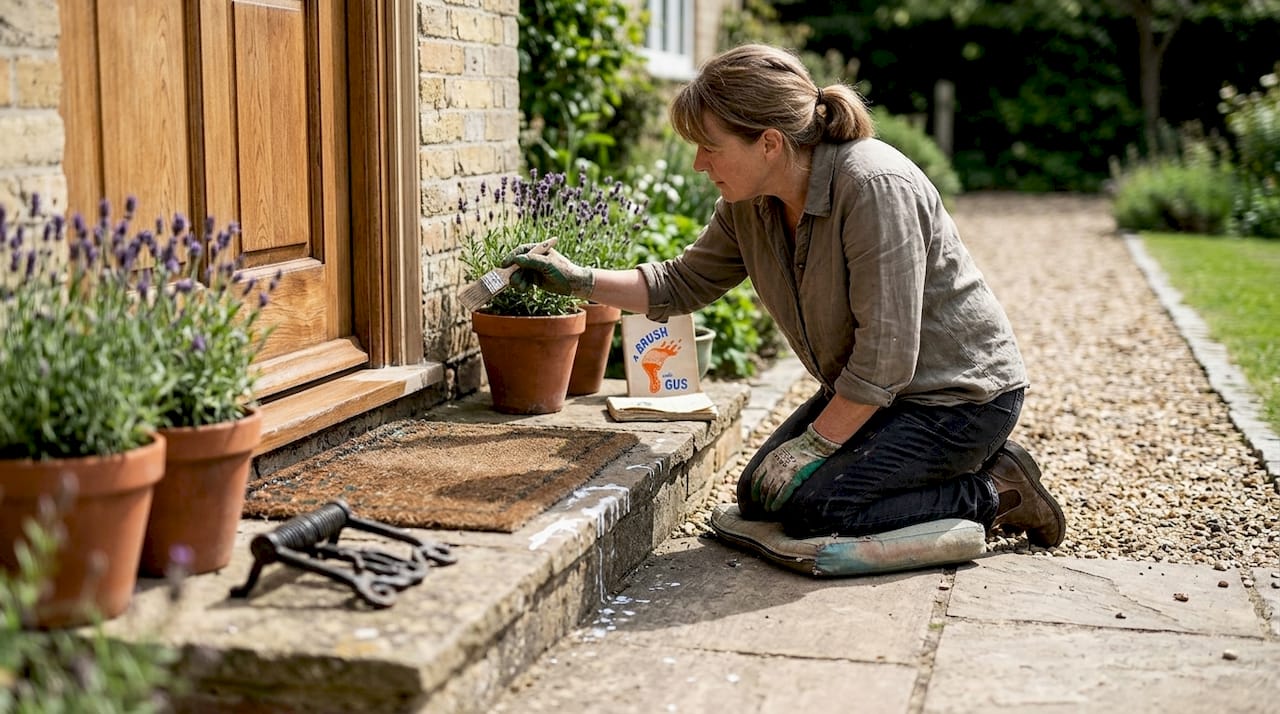
Updating the front door and garden features are among the top boosts to curb appeal, and it’s easy to see why. These are the focal points that draw the eye immediately. A freshly painted door in a confident colour signals care and personality, while tidy trims and well-maintained garden structures frame the whole picture.
Here are the accent details worth prioritising:
Front door. Bold colours like deep navy, forest green, or charcoal grey work beautifully against the natural stone and render typical of South West homes. A single tin of quality door paint can transform the entire feel of your facade.
Window trims and sills. Crisp white or off-white trims create contrast and make windows appear larger. Chipped or yellowing trims undermine even the best wall finish.
Garden gates and fencing. Freshly painted or stained timber and metal fencing frames your property and signals that the whole home is well cared for.
Garden layout. Symmetrical planting, clear pathways, and neat hedges naturally draw the eye toward your front door, reinforcing the architectural focal point.
Task | DIY suitability | Professional advantage |
Front door painting | Moderate | Flawless finish, specialist paints |
Trim and sill painting | Moderate | Speed, consistent edges |
Fencing and gate painting | Easy to moderate | Efficiency on large areas |
Render or masonry painting | Difficult | Equipment, safety, even coverage |
Pro Tip: Use your garden layout to draw the eye toward architectural highlights. A pathway lined with low planting or simple pots leads visitors naturally to the front door, making the whole exterior feel intentional and welcoming.
Before tackling garden structures, it’s worth checking out how to prepare garden features properly. And if you’re unsure whether your current paintwork needs a full refresh or just a touch-up, these signs you need to refresh paintwork are a helpful guide.
Maximise durability: Maintenance and weatherproofing strategies
After highlighting key details, it’s crucial to keep your improvements looking fresh through regular care. A new exterior finish is an investment, and like any investment, it needs protecting.
Regular maintenance prolongs the life of exterior paint and helps maintain property value. In the South West, where rain is frequent and coastal conditions can be harsh, a little routine attention goes a very long way.
Follow this maintenance checklist to keep your exterior in top condition:
Spring check. After winter, inspect all painted surfaces for cracking, flaking, or mould growth. Catch small problems early before they spread.
Bi-annual cleaning. Wash down walls, sills, and doors with a mild exterior cleaner twice a year to prevent algae and grime build-up.
Touch up promptly. Small areas of bare or damaged paint should be touched up as soon as you spot them. Leaving exposed surfaces accelerates deterioration significantly.
Check sealants and caulking. Around windows and doors, sealant can shrink or crack over time. Re-apply flexible exterior caulk wherever gaps appear.
Assess full repainting needs. Most exterior paintwork in the South West needs a full refresh every five to seven years, though coastal properties may need attention sooner.
Weatherproofing treatments. For timber surfaces especially, consider applying a clear weatherproofing treatment between full paint cycles to extend protection.
Pro Tip: Set a seasonal maintenance reminder on your phone for each spring and autumn. A quick thirty-minute inspection twice a year can prevent costly repairs and keep your home looking sharp year-round.
For a broader understanding of what ongoing care looks like, the residential painting maintenance guide covers the essentials in plain language. If you want to see what professional maintenance methods look like in practice, it’s worth reviewing before your next project.
Why first impressions trump perfection in exterior decorating
Here is something most decorating guides won’t tell you. The neighbours walking past your home, or the buyers viewing it for the first time, are not scrutinising the precision of your cut lines or checking whether you used three coats instead of two. They are forming an instant emotional response based on whether your home looks fresh, cared for, and inviting.
In our experience working across the South West, the homes that generate the most admiration are not always the ones with the most expensive finishes. They are the ones where the colour is clean, the garden is tidy, and the front door makes you want to knock on it. That combination of freshness and intention creates a feeling that technical perfection alone cannot manufacture.
This matters practically too. Curb appeal increases home value and desirability, especially in the South West where competition among properties is strong. A south-facing garden with a well-presented exterior adds genuine desirability in this region, where buyers and renters place a premium on outdoor living.
So before you agonise over the exact shade of grey or whether to use satin or semi-gloss on the trims, ask yourself whether the overall picture reads as well-maintained and welcoming. If you need help deciding where to start, checking for exterior painting indicators is the most practical first step.
Transform your exterior with expert help
Putting these tips into practice is straightforward when you have the right team behind you. At A Brush With Gus, Gus and Rhys bring years of hands-on experience transforming exteriors across the South West, using professional-grade materials and techniques that deliver results built to last.

From full exterior home service projects covering masonry, timber, and UPVC, to targeted touch-ups and weatherproofing, we handle every aspect of your exterior refresh. Our domestic decorating services cover everything from a single feature wall to a complete exterior transformation, all delivered with the friendly, reliable approach our clients across the South West have come to expect. Get in touch today for a no-obligation quote.
Frequently asked questions
How often should I repaint my home’s exterior in South West UK?
Most exteriors benefit from repainting every five to seven years, though harsh coastal weather in the South West can mean more frequent touch-ups are needed for exposed properties.
What colour schemes work best for boosting curb appeal?
Classic neutrals paired with a bold front door or contrasting trim add instant impact, while harmonious tones suit traditional South West stonework beautifully. Front door updates and tidy gardens consistently have the biggest effect on overall curb appeal.
What is the best way to maintain my garden features alongside exterior finishes?
Regular cleaning, pruning, and applying fresh paint or stain keep garden features and exterior surfaces protected and looking their best. Tidy gardens and fresh paint together create the strongest first impression from the street.
Does professional exterior decorating make a difference compared to DIY?
Professionals use advanced materials and proven techniques that deliver longer-lasting, more consistent results, particularly in the challenging South West climate. Expert decorating provides the best value and finish for boosting curb appeal over the long term.
Recommended
Comments