
The role of safety in painting: 2026 guide
TL;DR:
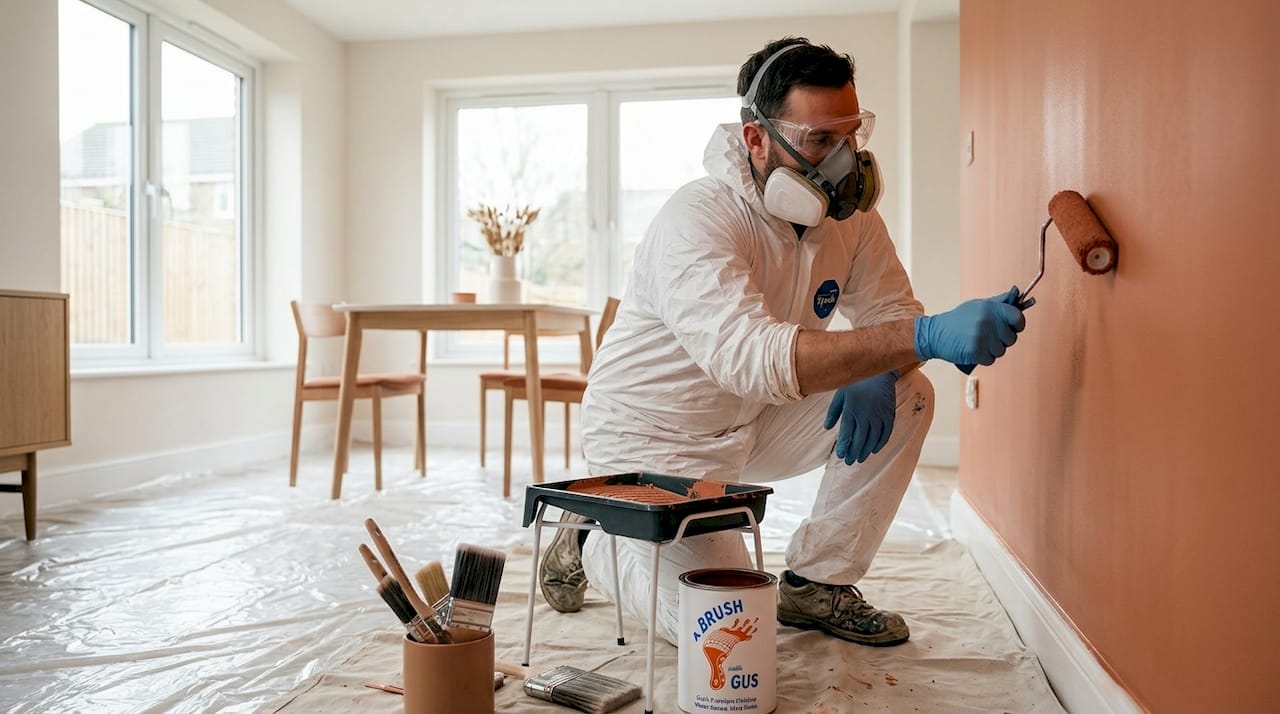
Safety in painting involves applying protective measures to prevent chemical exposure, injuries, fire hazards, and property damage during projects. Proper hazard identification, PPE use, ventilation, and adherence to regulations like OSHA and EPA RRP are essential, whether for DIY or professional work. Implementing these safety practices ensures health protection and high-quality, compliant results, avoiding costly incidents and delays.
Safety in painting is defined as the systematic application of protective measures that prevent chemical exposure, physical injury, fire hazards, and property damage during any painting project. Whether you are a homeowner refreshing a bedroom or a professional contractor tackling a commercial exterior, the role of safety in painting is non-negotiable. Regulatory frameworks like OSHA and the EPA RRP Rule set the legal baseline, while tools such as respirators, gloves, and ventilation systems form the practical backbone of safe practice. Cutting corners on safety does not save time. It creates incidents that cost far more to resolve than they would have to prevent.
What are the main safety hazards in painting work?
Every painting job carries multiple hazard categories, and understanding them before you pick up a brush is the first step towards protecting yourself and others.
Chemical hazards
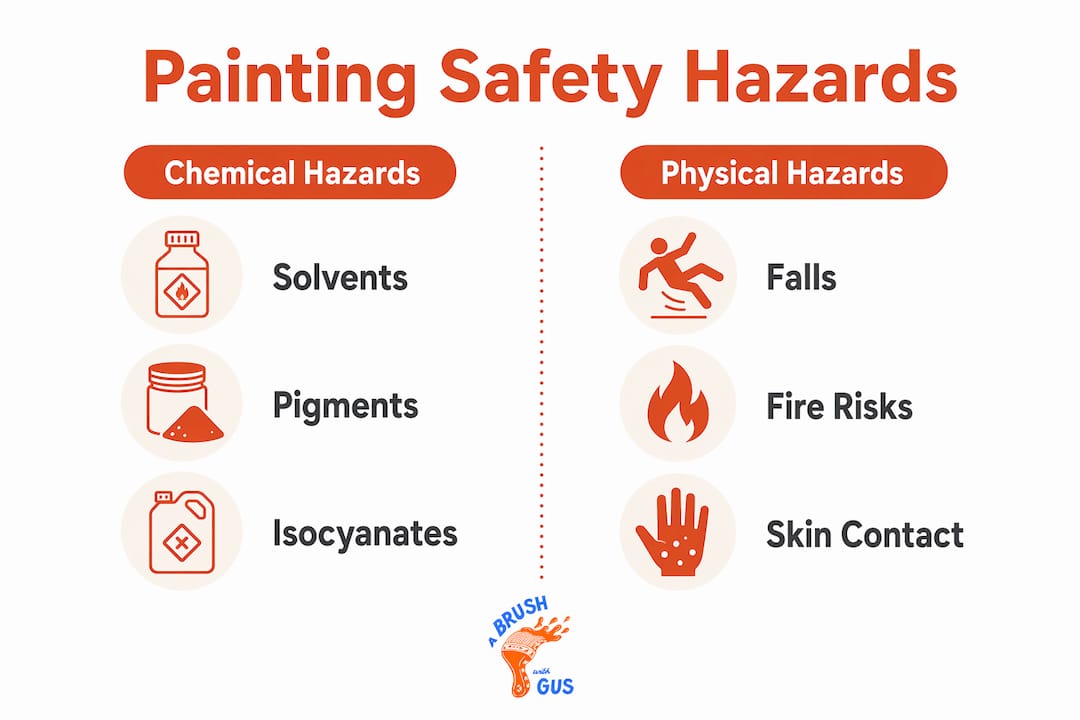
Solvents, pigments, and isocyanates found in many modern coatings are absorbed through the skin, inhaled as vapour, or accidentally ingested. Toxic pigments can be ingested through hand-to-mouth contact during work, particularly when sanding or heating older painted surfaces. That risk multiplies significantly when you are spraying, because fine particles stay airborne far longer than brush-applied coatings. Lead-based paint, still present in a large proportion of UK housing stock built before the 1970s, presents a separate and serious hazard during preparation work. Disturbing it without controls releases lead dust that causes neurological damage with no safe lower threshold.
Physical hazards
Working at height is one of the most consistent risks in the trade. Fall hazards at height require controls starting with eliminating the need to work elevated where possible, then progressing to scaffolding, harnesses, and edge protection. This is not just a professional concern. Homeowners using stepladders on uneven ground or leaning out of upstairs windows face the same physics. Manual handling injuries from lifting heavy paint tins and repetitive overhead brushwork are also common, particularly in larger projects where the cumulative strain builds over hours.
Fire and explosion risks
Solvent-based paints and thinners produce flammable vapours that accumulate rapidly in poorly ventilated spaces. Ignition sources must be removed within at least 20 feet of spray zones, and all conductive equipment must be earthed to prevent static discharge. A single spark near a concentrated vapour cloud is enough to cause a serious explosion. This risk is often underestimated in domestic settings where people assume a cracked window is adequate ventilation. It is not.
Health hazards from inhalation and skin contact
Prolonged exposure to paint fumes without adequate respiratory protection causes headaches, dizziness, and long-term respiratory damage. Indoor odour hazards from volatile organic compounds in paints are linked to throat irritation, nausea, and chronic respiratory conditions. Skin contact with solvent-based products strips natural oils from the skin and can cause dermatitis with repeated exposure. These are not rare outcomes. They are predictable consequences of ignoring basic protective measures.
How do PPE and ventilation systems contribute to painting safety?
Personal protective equipment and ventilation work together, but they are not interchangeable. Ventilation and hazard communication are process controls, not substitutes for PPE. You need both, applied correctly and in the right order.
Choosing the right respirator
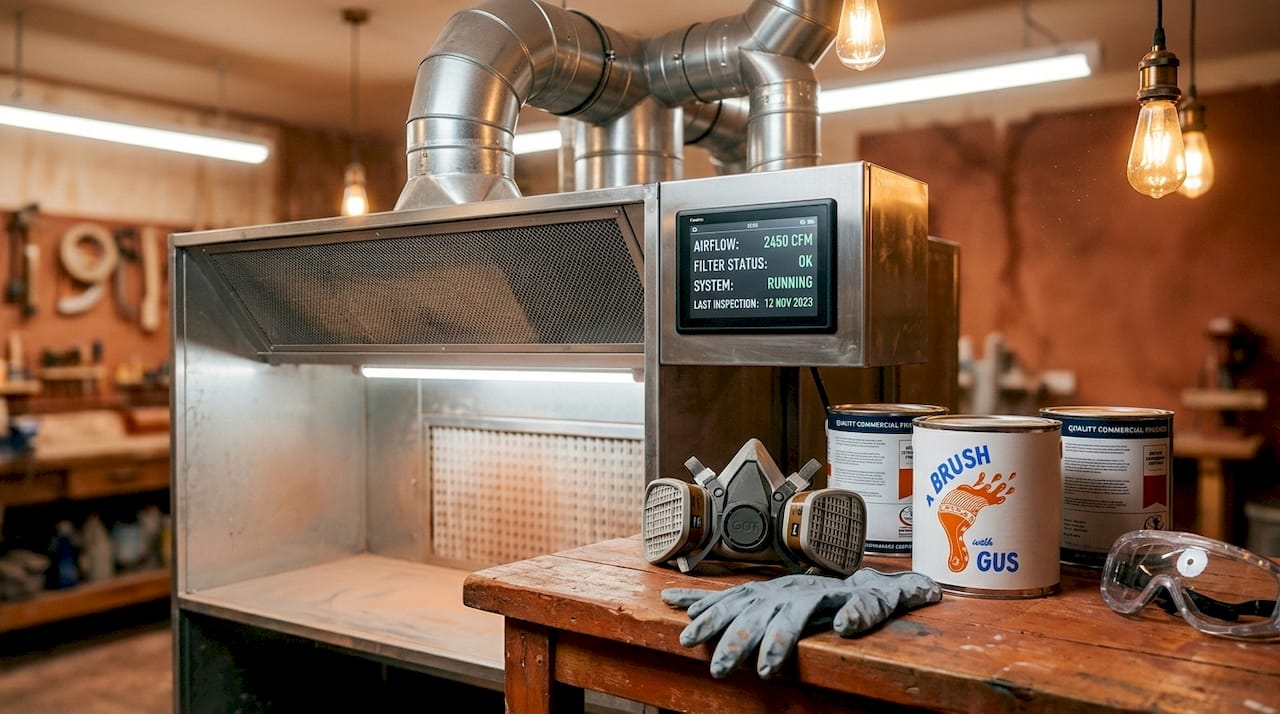
Respirator selection must match the hazard: organic-vapour cartridge respirators work for solvent-based paints in ventilated spaces, while supplied-air respirators are mandatory for isocyanate spray coatings. Isocyanates are found in two-pack polyurethane coatings widely used on commercial and industrial surfaces. A single overexposure to isocyanates can cause irreversible occupational asthma, meaning no subsequent exposure is ever safe again. A dust mask from a DIY shop provides zero protection against solvent vapours. The difference between the two is not a matter of preference. It is a matter of permanent lung damage.
Ventilation standards and practical application
Setting | Ventilation requirement | Practical measure |
Spray booth (commercial) | Mechanical extraction with explosion-proof fans | |
Confined or enclosed space | Active air circulation required | Forced-air fans, not open windows alone |
Domestic interior | Cross-ventilation with fresh air | Open opposing windows and use a box fan |
Exterior residential | Natural ventilation usually sufficient | Position yourself upwind of spray direction |
Open doors or windows alone are insufficient to manage hazardous atmospheres in enclosed painting areas. This is one of the most common mistakes made in domestic settings. Mechanical ventilation actively removes contaminated air rather than simply diluting it.
Pro Tip: Before starting any spray work indoors, hold a lit incense stick near the extraction point. If the smoke moves steadily towards the outlet, your ventilation is working. If it drifts randomly, you need more airflow before you begin.
Beyond respirators, full PPE for painting includes nitrile gloves rated for solvent resistance, safety spectacles or goggles for overhead work, and disposable coveralls when spraying. Cotton gloves offer no chemical protection whatsoever. Nitrile is the minimum standard for solvent contact.
What safety checks are needed before starting a painting project?
Pre-project checks are where most incidents are prevented. The following sequence applies whether you are painting a single room or a full commercial exterior.
Identify all hazards present. Check the age of the building. Any property built before 1978 in the US context, or before the mid-1970s in the UK, may contain lead-based paint. Test before you sand or strip.
Review the Safety Data Sheet (SDS) for every product you plan to use. The SDS specifies the correct PPE, ventilation requirements, and emergency procedures for that specific coating.
Inspect all equipment. Check ladders for damaged rungs, cracked stiles, and missing feet. Verify that spray equipment is earthed and that hoses show no cracking or wear.
Set up containment and signage. Seal off adjacent areas from dust and fumes. Post clear signage to keep non-workers out of the area during application and curing.
Confirm ventilation is operational before opening any containers. If airflow cannot be confirmed, delay the task. Starting spray work in an unventilated space is the single fastest way to create a dangerous atmosphere.
Prepare surfaces to minimise dust. Wet sanding or wet wiping surfaces before dry work reduces airborne particulate significantly, particularly important when lead paint may be present.
Pro Tip: For any project in a pre-1970s property, pick up a lead paint test kit from a builders’ merchant before you start. They cost under £10 and take five minutes. The EPA RRP Rule requires certified renovators and lead-safe work practices when disturbing lead paint in older housing, and UK regulations carry equivalent obligations for contractors.
You can find a detailed walkthrough of the full residential painting process that incorporates these safety checks at each stage.
How do safety requirements differ between DIY and commercial painting?
The hazards are often the same. The scale, chemical complexity, and regulatory obligations are not.
Factor | DIY homeowner | Commercial contractor |
Chemical exposure | Lower volume, typically water-based | Higher volume, solvent and isocyanate coatings common |
Regulatory obligation | General duty of care | COSHH, RIDDOR, working at height regulations |
Respiratory protection | Organic-vapour respirator for solvent products | Full respiratory protection programme with fit testing |
Lead paint compliance | Test and avoid disturbance | Certification and documented lead-safe work practices |
Training requirement | Manufacturer guidance and SDS | Formal safety training and site induction |
The practical gap between DIY and professional painting is not just about skill. It is about exposure management. A homeowner painting one room per year with water-based emulsion faces a fundamentally different risk profile than a contractor spraying solvent-based coatings across multiple sites each week. That said, homeowners consistently underestimate their own risks.
Home DIYers often overlook ventilation and exposure hygiene, such as avoiding eating or smoking in the work area, which increases both inhalation and ingestion risks significantly. The most common oversights include:
Using solvent-based gloss without respiratory protection because “it’s just one door”
Sanding old paintwork without checking for lead content first
Assuming a single open window ventilates a room adequately during spray application
Skipping gloves because the job “only takes ten minutes”
For homeowners considering spray application specifically, understanding residential spraying safety is worth doing before you hire or buy equipment.
What are best practices for safety during and after painting?
Safety does not stop when the final coat goes on. The period during application and the hours immediately after carry their own distinct risks.
During painting, maintain ventilation continuously. Do not reduce airflow because the room “smells less.” Solvent vapours are not always detectable by smell at concentrations that still pose health risks. Keep respiratory protection on throughout the application and for a period after, particularly in enclosed spaces.
After painting, follow these practices without exception:
Store solvent-soaked rags in a sealed metal container. Spontaneous combustion from oxidising linseed oil or solvent-soaked materials is a real and documented fire cause. Never leave them in a pile on the floor.
Continue ventilating until fumes dissipate fully. Water-based paints typically off-gas for 24 to 48 hours. Solvent-based coatings can take considerably longer depending on film thickness and temperature.
Clean spray equipment thoroughly before storage. Residual solvent in spray lines is a fire hazard and degrades equipment rapidly.
Dispose of waste paint and solvents through a licensed waste carrier or local household hazardous waste facility. Pouring solvents down the drain is illegal and creates serious contamination risks.
Monitor yourself and others for signs of exposure. Persistent headaches, dizziness, or skin irritation after painting are not normal. They are symptoms of inadequate protection that warrant medical attention.
Indoor air pollution from paint fumes can persist well beyond the visible drying period, particularly in rooms with limited natural ventilation. Keeping windows open for at least 24 hours after water-based painting and 48 to 72 hours after solvent-based work is the practical minimum.
Key takeaways
Safe painting requires matching specific PPE and ventilation controls to each hazard before work begins, not after an incident occurs.
Point | Details |
Match PPE to the hazard | Use supplied-air respirators for isocyanates and nitrile gloves for solvent contact, not generic dust masks. |
Ventilation is active, not passive | Mechanical extraction is required for enclosed spaces; open windows alone do not meet the standard. |
Check for lead before disturbing old paint | Pre-1970s properties carry lead paint risk; test before sanding or stripping any surface. |
Post-painting hazards are real | Solvent-soaked rags and lingering fumes remain fire and health risks for hours after application ends. |
DIY does not mean low risk | Homeowners face the same chemical hazards as professionals; the scale differs, the substances do not. |
Why safety is the foundation of every good paint job
From my experience working on properties across the South West, the biggest safety failures I see are not dramatic. They are quiet. A painter working without a respirator because the job is “only small.” A homeowner sanding a 1960s window frame without testing the paint first. Someone storing a bundle of linseed-soaked rags in a warm utility room overnight.
The misconception I encounter most often is that safety measures slow a job down. They do not. A proper pre-job hazard check takes fifteen minutes. A trip to A&E, a fire investigation, or a lead contamination clean-up takes considerably longer and costs considerably more. I have seen projects delayed by weeks because a contractor skipped the lead test at the start and had to bring in a specialist remediation team halfway through.
What I have learned is that safety and quality are the same discipline. A painter who sets up ventilation correctly, uses the right PPE, and follows a structured pre-job checklist is also the painter who produces a consistent, professional finish. The habits that protect your health are the same habits that protect the quality of the work. Cutting corners on one always shows up in the other.
For homeowners, my honest advice is this: read the SDS for every product you buy, test for lead in any property built before 1975, and never treat a dust mask as adequate respiratory protection for solvent-based work. These are not bureaucratic requirements. They are the difference between a successful project and a preventable incident.
— Angus
How Abrushwithgus keeps every project safe

At Abrushwithgus, safety is built into every stage of the work, not added as an afterthought. Gus and Rhys follow current regulations on lead-safe work practices, use hazard-specific PPE including supplied-air respiratory protection for spray applications, and verify ventilation before any coating is applied. Whether you need professional spraying services for a residential or commercial project, or a full domestic painting service with safe preparation and application, the team brings the same structured approach to every job. If you want a finish that looks exceptional and was delivered without cutting corners on safety, get in touch with Abrushwithgus for a no-obligation quote.
FAQ
What does the role of safety in painting actually involve?
Safety in painting covers hazard identification, correct PPE selection, ventilation management, and regulatory compliance before and during any painting project. It applies equally to DIY homeowners and professional contractors.
What PPE do I need for painting at home?
For water-based paints, nitrile gloves and safety spectacles are the minimum. For solvent-based products, add an organic-vapour cartridge respirator. For any spray application indoors, mechanical ventilation is also required.
How do I know if my home has lead paint?
Any property built before the mid-1970s in the UK may contain lead-based paint. Use a lead paint test kit available from builders’ merchants before sanding, stripping, or drilling into painted surfaces.
Is ventilation really necessary for small painting jobs?
Yes. Solvent vapours accumulate rapidly even in small rooms and can reach hazardous concentrations before you detect them by smell. Active air circulation is required whenever solvent-based products are used indoors, regardless of the project size.
How long should I ventilate a room after painting?
Water-based paints require at least 24 to 48 hours of ventilation after application. Solvent-based coatings need 48 to 72 hours minimum, longer in cool or humid conditions where off-gassing slows significantly.
Recommended
Comments