
Understanding painting contractors: A homeowner's guide
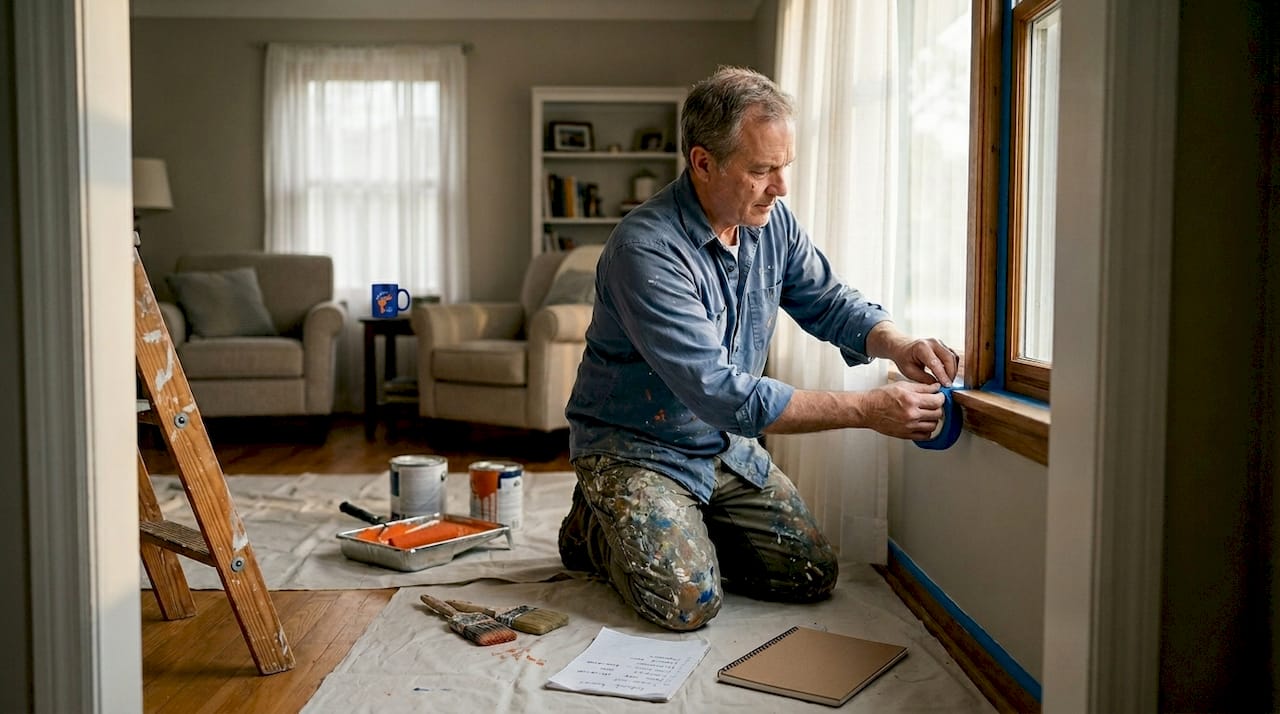
Many homeowners assume that painting a room is straightforward work — grab a brush, open a tin, and get started. But a truly professional finish depends on far more than that. A painting contractor is a skilled tradesperson who specialises in surface preparation, priming, and applying premium paints to residential and commercial properties. This guide walks you through exactly what painting contractors do, how they work, what they charge in the South West UK, and how to choose one you can trust. Whether you’re refreshing a single room or tackling a full exterior repaint, understanding the process will save you time, money, and frustration.
Table of Contents
Key Takeaways
Point | Details |
Professional expertise | Painting contractors deliver skilled preparation, premium finishes, and expert advice for optimal results. |
Clear quotes matter | Fixed price quotes and clear contracts help prevent disputes and ensure transparency in residential projects. |
Specialised solutions | Edge cases like heritage homes and exteriors require specialist techniques and paints to guarantee longevity. |
Smart selection | Choosing a contractor with references, guarantees, and premium materials ensures a stress-free painting experience. |
What does a painting contractor do?
A painting contractor is far more than someone who applies colour to walls. They manage the entire process from start to finish, and that scope of work is broader than most homeowners realise.
According to Collins Dictionary, a painting contractor is a professional tradesperson specialising in painting and decorating buildings, covering residential painting services for both interior and exterior surfaces, including surface preparation, priming, and finishing with premium paints. That definition matters because it highlights what separates a professional from a casual decorator: the full process, not just the painting itself.
Here’s what a professional painting contractor typically handles:
Surface preparation: Filling cracks, sanding rough patches, cleaning walls, and applying primer
Interior painting: Ceilings, walls, woodwork, skirting boards, and doors
Exterior painting: Render, masonry, timber cladding, fascias, and soffits
Specialist finishes: Airless spraying, UPVC spraying, and textured coatings
Expert advice: Recommending the right paint types, finishes, and colours for your specific surfaces
Quality assurance: Ensuring each coat is applied correctly and dries properly before the next
“The difference between a DIY job and a professional finish almost always comes down to preparation, not the painting itself.”
For a deeper look at what professional work involves, the professional painting guide on our website breaks this down further. A good contractor also acts as an adviser, helping you avoid costly mistakes like choosing the wrong sheen level for a high-traffic hallway or skipping primer on bare plaster.
How painting contractors work: Methods and preparation
Understanding the duties of a painting contractor leads naturally into how they approach the technical side of painting. And the honest truth is: most of the work happens before a drop of paint is applied.
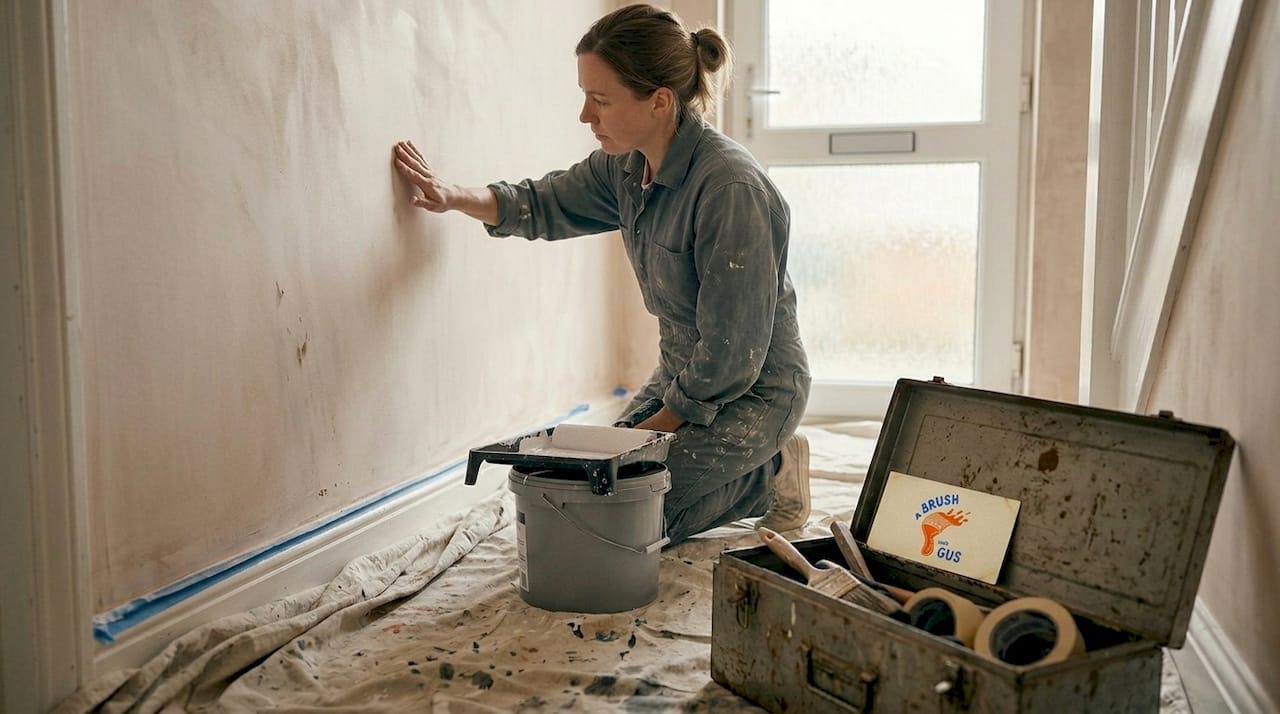
Surface preparation accounts for roughly 70% of the total job time. This includes cleaning surfaces, filling cracks, sanding, and priming. Skipping or rushing these steps is the single biggest cause of peeling, blotching, and uneven finishes.
A professional contractor follows a clear sequence:
Assess the surfaces for damage, damp, or previous paint issues
Clean and prepare by washing walls, sanding woodwork, and filling imperfections
Apply primer or mist coat to seal the surface and improve adhesion
Paint ceilings first, then walls, then woodwork last to avoid drips ruining finished areas
Apply thin, even coats with proper drying time of 2 to 4 hours between each coat
Inspect and touch up before declaring the job complete
Pro Tip: Always ask your contractor which primer they plan to use. On bare plaster, a mist coat (heavily diluted emulsion) is essential. Without it, the paint soaks in unevenly and the finish looks patchy no matter how many topcoats you apply.
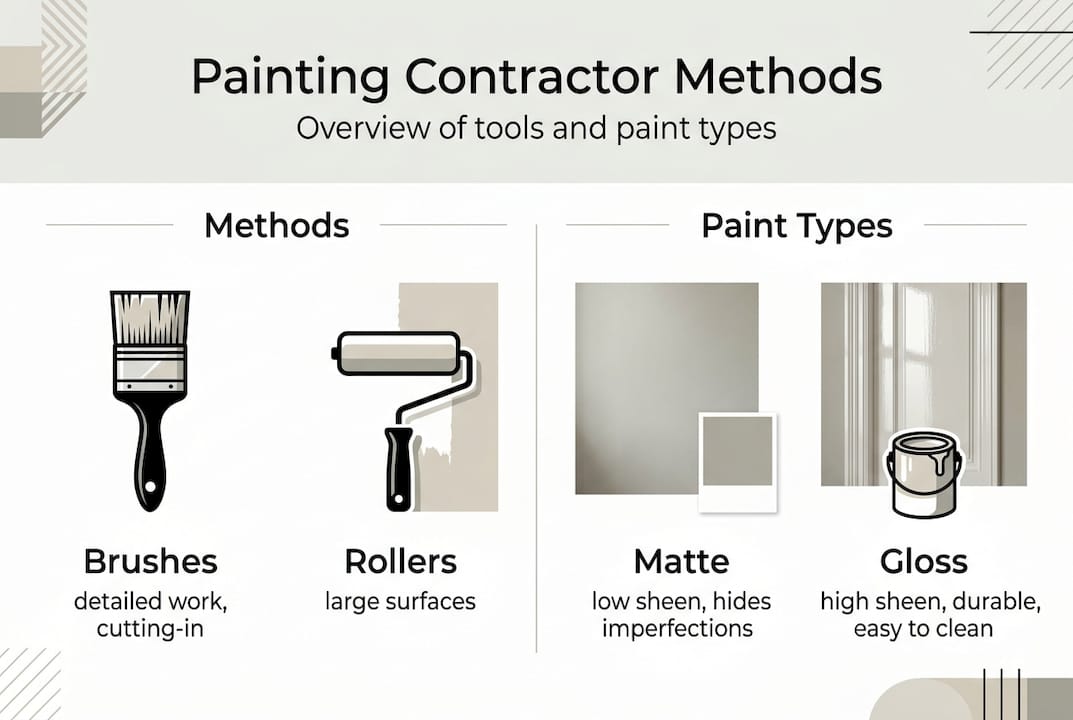
The choice of method also matters. Brushes are best for edges and detailed woodwork. Rollers cover large wall areas efficiently. But for a truly flawless finish on large surfaces, advanced painting techniques like airless spraying deliver results that brushes simply cannot match. Spraying is faster, more consistent, and produces a smoother surface, though it requires masking and protection of surrounding areas.
Choosing the right interior paint types is equally important. Matt emulsion suits most walls, but kitchens and bathrooms need moisture-resistant formulas. Eggshell or satin finishes work better on woodwork because they’re more durable and easier to wipe clean.
Residential painting costs: What to expect in 2026
Having covered methodologies, it’s important to understand the financial side. What should you budget for a reliable painting contractor in the South West UK?
Costs vary depending on job size, surface condition, method used, and location. Here are current benchmarks for 2026:
Job type | Estimated cost (2026) |
Day rate (per tradesperson) | £180 to £300 |
Single room (interior) | £150 to £450 |
Full 3-bed house interior | £2,000 to £4,000 |
Exterior semi-detached house | £3,500 to £7,000 |
These figures come from current UK pricing data, with day rates typically lower outside London. In the South West, you’ll generally find rates at the lower to mid end of these ranges, which is good news for local homeowners.
When reviewing quotes, keep these points in mind:
Fixed price quotes are preferable for residential jobs. They protect you from unexpected costs and make budgeting straightforward.
Day rate quotes can work for smaller or flexible jobs, but they carry more financial risk if the project runs over.
Detailed written quotes should specify materials, number of coats, preparation work included, and a clear timeline.
VAT may or may not be included, so always confirm before signing.
Pro Tip: Get at least three quotes before committing. If one quote is significantly lower than the others, ask why. It often means corners are being cut on preparation or paint quality, and you’ll pay for it later.
For a full breakdown of local pricing, the painting costs guide covers South West UK rates in detail.
Special cases and expert considerations
Beyond standard jobs, there are unique situations where expertise matters even more. Here’s how painting contractors tackle special requirements.
Property type | Key considerations |
New build | Fresh plaster needs 2 to 4 weeks to dry; mist coat essential before topcoat |
Heritage property | Delicate prep required; breathable paints to avoid trapping moisture |
Exterior surfaces | Weather-resistant paints; scaffolding often needed; timing around dry weather |
Bathrooms and kitchens | Anti-mould formulas; low-VOC paints for ventilation-limited spaces |
New build homes present a specific challenge: fresh plaster contains significant moisture and needs adequate drying time before painting. Rushing this stage causes the paint to peel within months. A mist coat, applied as a diluted first layer, allows the plaster to breathe while creating a stable base for topcoats.
Heritage properties require a sensitive approach. Many older homes have lime plaster or original timber that reacts badly to modern, impermeable paints. A knowledgeable contractor will use breathable, period-appropriate products to protect the structure while achieving a quality finish.
For exterior work, weather and exterior painting conditions in the South West are particularly relevant. The region’s wet winters and mild summers mean timing matters. Paint applied in damp or cold conditions won’t cure properly and will fail prematurely. Knowing the signs you need exterior painting early can help you plan work during the right season.
“Specialist knowledge isn’t just about technique. It’s about knowing when NOT to paint, which product to use, and how to protect a surface for years rather than months.”
For bathrooms and kitchens, low-VOC paints are increasingly popular. VOC stands for volatile organic compound, essentially the chemicals that evaporate as paint dries. Lower VOC levels mean better air quality, which matters especially in rooms with limited ventilation.
How to choose a reliable painting contractor
Having seen the complexities involved, knowing how to select the right contractor is key. Here’s a practical checklist to help you hire confidently.
Ask for references from recent residential jobs and follow up on them. A reputable contractor will have no hesitation providing these.
Check their portfolio of completed work, ideally including projects similar to yours in scale and surface type.
Request a detailed written quote that specifies preparation work, materials, number of coats, and timeline.
Confirm insurance including public liability cover. This protects you if anything goes wrong on your property.
Ask about paint brands they use. Contractors who prioritise premium paints like Dulux Trade and Farrow & Ball demonstrate a commitment to longevity over cutting costs.
Beyond the checklist, pay attention to how a contractor communicates. Do they explain their process clearly? Do they ask questions about your home’s specific needs? A contractor who listens and advises is far more valuable than one who simply quotes a price and starts work.
For guidance on what a quality result looks like, quality finishes advice outlines the standards you should expect. You can also explore the benefits of premium paints to understand why paint quality directly affects how long your finish lasts.
Avoid contractors who suggest skipping primer, rushing drying times, or applying thick single coats to save time. These shortcuts lead to peeling, cracking, and blotching within a year or two, meaning you’ll spend more in the long run.
Painting contractors in the South West UK: Next steps
Now that you understand what painting contractors do, how they work, and what to look for, you’re in a strong position to plan your next project with confidence. Professional contractors deliver more than a coat of paint. They deliver preparation, expertise, and a finish that lasts.

At A Brush With Gus, brothers Gus and Rhys bring years of hands-on experience to every job across the South West. Whether you need domestic painting services for a full interior refresh, exterior painting solutions to protect and transform your home’s facade, or specialist spraying techniques for a flawless finish, the team is ready to help. Get in touch for a no-obligation quote and see why so many South West homeowners trust A Brush With Gus with their homes.
Frequently asked questions
What qualifications should a painting contractor have?
Look for relevant trade certifications, public liability insurance, and proven experience with residential projects. A solid portfolio and verifiable references are equally important indicators of professionalism.
How long does a typical interior painting job take?
Most single rooms take 1 to 2 days, but a whole house can require up to a week. Preparation and drying times account for the majority of that time, not the painting itself.
Should I request a fixed price or day rate quote?
Fixed price quotes are generally preferable for residential projects because they provide cost certainty and reduce the risk of disputes if the job takes longer than expected.
What paints do professional contractors use for longevity?
Professionals favour premium brands such as Dulux Trade and Farrow & Ball, applied with proper preparation and specialist techniques to ensure the finish holds up for years rather than months.
How do painting contractors handle heritage or new build homes?
Specialists adjust their preparation, drying schedules, and paint choices accordingly. New builds need mist coats over fresh plaster, while heritage homes require breathable paints that protect original materials without trapping moisture.
Recommended
Comments