
What is professional decorating? A homeowner's complete guide
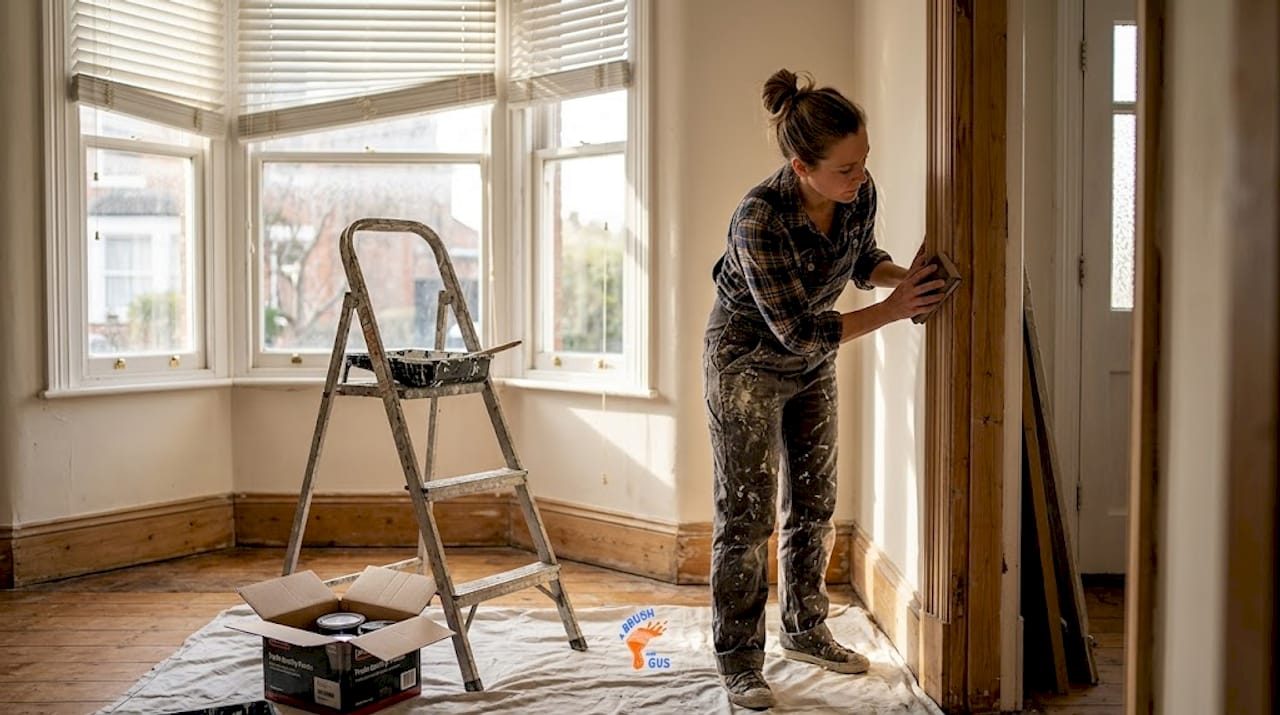
TL;DR:
Professional decorating involves surface preparation, specialist finishes, weatherproofing, and quality control.
Costs range from £150 to £350 per room with long-lasting results and property value benefits.
Choosing a reputable decorator requires examining their portfolio, references, insurance, and material transparency.
Most homeowners assume that decorating means picking a colour, grabbing a roller, and getting on with it over a weekend. The reality is far more involved. Professional decorating is a staged, skilled process that covers everything from surface preparation and specialist finishes to weatherproofing and wallpaper hanging. Whether you’re refreshing a single room or transforming the entire exterior of your South West home, understanding what professional decorating truly involves helps you make smarter decisions, avoid costly mistakes, and get results that actually last. This guide walks you through every stage, so you know exactly what to expect and why it matters.
Table of Contents
Key Takeaways
Point | Details |
Preparation is vital | Most professional decorating success comes from thorough surface prep and care. |
Costs vary but add value | While pro decorating is an investment, it boosts kerb appeal and property value. |
Standards surpass DIY | Professionals achieve higher quality, durability, and finish than most DIY efforts. |
Choose carefully | Selecting a qualified decorator protects your investment and ensures lasting results. |
Understanding professional decorating: more than just paint
Professional decorating is not simply applying paint to walls. It is a structured, skill-intensive service that covers surface preparation, selection of appropriate materials, application of specialist finishes, and quality control at every stage. A professional painting guide will tell you the same thing: the visible result is only the final 20% of the work involved.
For South West UK homeowners, expectations around decorating quality have risen considerably. Properties here range from period cottages in Cornwall to modern builds in Bristol, and each presents its own challenges. Older homes often have uneven plasterwork, timber frames that flex with damp, and surfaces that need extensive treatment before a single drop of paint is applied.
Here is what professional decorating typically covers:
Surface preparation: Filling cracks, sanding, cleaning, and priming
Interior painting: Walls, ceilings, woodwork, and feature walls
Wallpapering: Hanging, seaming, and pattern matching
Exterior painting: Masonry, render, timber, and UPVC surfaces
Specialist finishes: Gloss, eggshell, matt, textured coatings, and airless spray application
Each of these services requires a different skill set, different tools, and different preparation methods. This is precisely what separates a trained decorator from a capable DIYer.
“Professional decorating involves a comprehensive, staged process that goes well beyond applying paint to a surface.”
There is also a direct link between professional decorating and property value. Up to 100% ROI from enhanced kerb appeal is achievable when decorating is done to a professional standard, particularly for exterior work visible to potential buyers or letting agents.
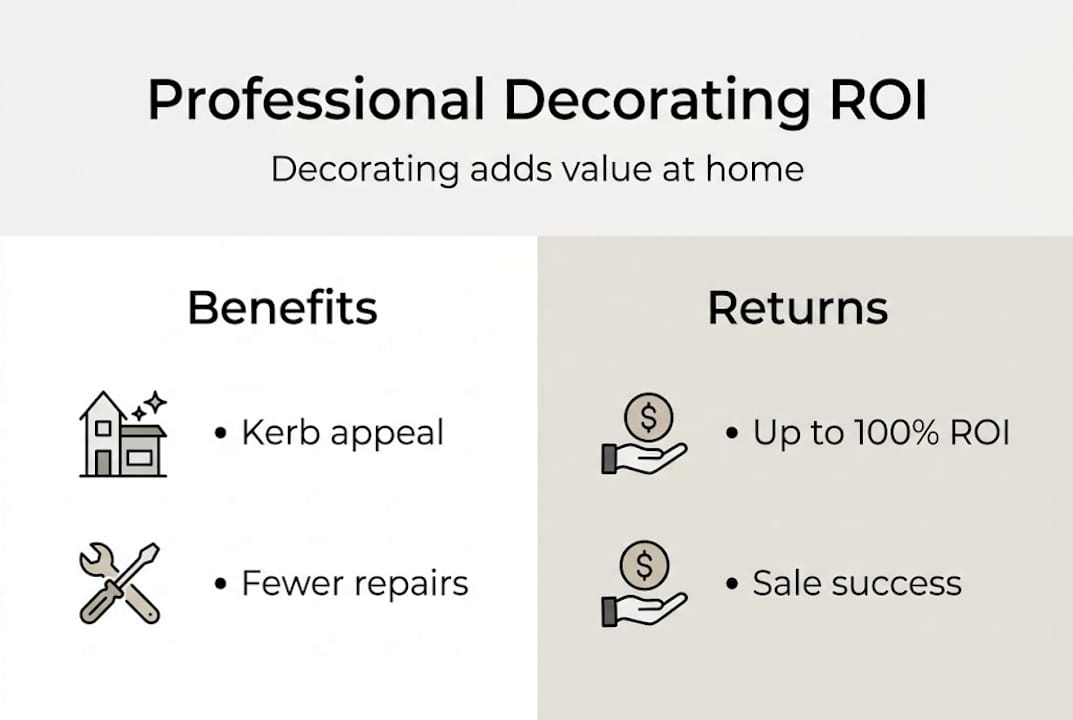
Pro Tip: Do not underestimate the difference between trade-quality paints used by professionals and the tins available in DIY shops. Trade paints offer better coverage, richer pigment, and greater durability, which means fewer coats and a longer-lasting finish.
The step-by-step process: how professionals deliver flawless results
Having set the context, let us examine the step-by-step process that sets professionals apart. What might look effortless from the outside is actually the result of a carefully ordered sequence.
The professional decorating sequence:
Initial assessment: The decorator surveys the space, identifies problem areas, and plans the approach
Surface preparation: Cleaning, filling, sanding, and priming all surfaces before any paint is applied
Ceiling first: Ceilings are always painted before walls to avoid drips ruining completed work below
Walls next: Multiple coats are applied, with drying time respected between each
Woodwork last: Skirting boards, architraves, window frames, and doors receive gloss or eggshell finishes
Final inspection: The decorator checks for missed spots, runs, or uneven coverage and corrects them
The single most important stage in this list is preparation. 70% of professional decorating is preparation work: cleaning walls of grease, filling hairline cracks, sanding down rough patches, and applying primer to bare surfaces. Most DIY jobs fail here, not during the painting itself.
New plaster is a particularly common trap. Fresh plaster must dry fully, which can take four to six weeks, and then receive a mist coat (a watered-down first coat of emulsion) before standard paint is applied. Skip this step, and the paint will peel within months. A professional knows this instinctively; many first-time decorators find out the hard way.
For exterior work, specialist professional painting techniques are required. Masonry paint needs weatherproofing additives in wetter South West climates. Timber requires a primer, undercoat, and top coat as three separate stages, not one thick coat that cracks and blisters when temperatures change.
Pro Tip: Always ask your decorator how they handle new plaster and exterior timber. Their answer will tell you immediately whether they know their trade or are cutting corners.
For a room-by-room breakdown, the interior decorating steps for South West homes differ slightly from generic guides because of the regional climate and period property mix. Understanding these nuances is part of what makes local professional knowledge so valuable. You can also explore specific painting walls tips if you want to understand what professional results actually look like before hiring.
Value, costs and return on investment for homeowners
Understanding the method is essential, but what does it cost, and is it worth it? Here is the full breakdown.
Professional decorating costs in the UK typically range from £150 to £350 per room, depending on size, surface condition, and finish required. A full three-bedroom house redecoration tends to fall between £5,000 and £7,000 when materials are included.

Project type | Estimated cost | DIY equivalent |
Single bedroom | £150 to £250 | £40 to £80 materials only |
Open-plan living area | £300 to £500 | £80 to £150 materials only |
Full exterior (3-bed) | £1,500 to £3,000 | £300 to £600 materials only |
Whole house interior | £5,000 to £7,000 | £800 to £1,500 materials only |
The DIY cost looks attractive until you factor in time, mistakes, repeat coats, and the cost of fixing botched prep work. Professionals bring their own tools, their own expertise, and a finish that holds for years rather than months.
South West decorator rates reflect a regional average salary of around £29,000 per year, meaning day rates from experienced South West decorators tend to be competitive compared to London and the South East, without any compromise on quality.
The benefits of professional painters extend well beyond the finish itself. Consider:
Time saved: A professional completes in two days what may take a homeowner two weekends
Longer-lasting results: Proper prep and trade paint extend the life of the finish by years
Property value uplift: A well-decorated home commands stronger offers and rental prices
Stress reduction: No ladders, no mess management, no second-guessing
“The true cost of decorating is not the day rate. It is the cost of doing it twice.”
Choosing your decorator: what matters most
Once you understand the value, the next challenge is finding a decorator you can trust. Here is what to look for and what to avoid.
Factor | Professional decorator | Amateur or cowboy trader |
Portfolio of work | Yes, with verifiable examples | Often vague or unavailable |
Written quote | Always provided | Verbal only, likely to change |
Insurance | Public liability as standard | Rarely confirmed |
References | Happy to provide | Avoided or unverifiable |
Prep approach | Thorough, documented | Minimal or skipped |
Paint quality | Trade-grade, specified | Unspecified or cheap |
Selecting the right professional ensures you get reliable, durable, and high-quality finishes rather than a job that looks fresh for three months and then starts peeling.
When speaking to potential decorators, look for these qualities:
Clear communication: They explain what they will do and why, without being vague
Willingness to walk the job: A professional visits before quoting, they do not guess
Transparency about materials: They name the products they use and explain the choices
Realistic timelines: Good decorators are often booked a few weeks ahead, be wary of instant availability
Explore the qualities of a good painter before you commit to hiring, and use our blog for further guidance on choosing the right decorator for your specific project type.
Red flags to watch for include cash-only requests before work begins, reluctance to provide written quotes, and pressure to decide on the spot. A reputable decorator has no reason to rush you.
The uncomfortable truths most people miss about professional decorating
After years of working in South West homes, we have noticed a pattern. Homeowners are often well-prepared for the cost but genuinely surprised by the disruption. Moving furniture, sealing off rooms, managing dust, and working around a family’s daily routine takes real coordination. Decorating a three-bedroom house is not a quiet background job. It is a project.
Surface prep also catches people off guard, not because they did not know it was important, but because they did not expect it to take three times longer than the painting itself. An old wall that looks fine to the eye can reveal years of repairs, old wallpaper adhesive, or hairline cracks once a decorator gets close. Addressing these properly adds time, but skipping them costs you dearly later.
Our honest advice? Build flexibility into your schedule. Do not plan a project for the week before Christmas or right before a house viewing. The best results come when there is time to do the job properly without pressure. Explore the benefits of professional painters and you will also see why post-project communication matters: a good decorator follows up, checks in, and stands behind their work.
Take the next step with expert decorators in your area
Now that you understand what professional decorating truly involves, you can move forward with confidence. Whether you are refreshing a living room, transforming your home’s exterior, or considering a full interior overhaul, professional results start with the right team.

At A Brush With Gus, brothers Gus and Rhys offer a full range of home decorating services for South West homeowners, from interior painting to full exterior home painting and specialist UPVC spraying. Every project is backed by genuine trade experience, trade-quality materials, and a commitment to getting it right the first time. Get in touch today to discuss your project and request a no-obligation quote.
Frequently asked questions
What does a professional decorator do that I can’t do myself?
A professional decorator performs extensive preparation and proven techniques, uses trade-quality materials, and delivers a finish that is far more durable and precise than most DIY efforts can achieve.
How much does professional decorating cost in the South West UK?
Costs range from £150 to £350 per room for standard interior work, with a full three-bedroom house interior redecoration typically falling between £5,000 and £7,000 including materials.
Does professional decorating increase house value?
Yes. Expert decorating, particularly exterior work, can yield up to 100% ROI through improved kerb appeal, making your home more attractive to buyers and letting agents alike.
What’s the difference between paint finishes used by professionals?
Professionals choose from specialist finishes for different surfaces including matt for ceilings, eggshell for walls in high-use rooms, and gloss or satin for woodwork, each selected for durability and the specific demands of that surface.
Recommended
Comments