
Top reasons to repaint your exterior walls for a better home
TL;DR:
Exterior repainting provides vital protection against weather, structural damage, and biological growth.
Repainting boosts property value and curb appeal, offering a high return on investment.
Proper preparation and timely maintenance prevent costly repairs and extend the lifespan of walls.
Most homeowners think of repainting their exterior walls as a purely cosmetic exercise. A fresh colour, a tidy finish, maybe a bit of kerb appeal before a summer barbecue. But that view misses the bigger picture entirely. Exterior repainting is one of the most cost-effective ways to protect your home from the South West’s relentless wet weather, prevent structural damage, and genuinely add thousands to your property’s market value. If you’ve been putting it off because it feels like an indulgence rather than a necessity, this guide will change how you think about it.
Table of Contents
Key Takeaways
Point | Details |
Prevents costly damage | Repainting acts as a barrier to weather, helping you avoid expensive repairs. |
Boosts kerb appeal | A fresh exterior makes your home stand out and feel well cared for. |
Increases property value | Updating your exterior paint may add value when selling your property. |
Extends paint lifespan | Acting early on peeling or fading ensures your current paintwork lasts longer. |
The real benefits of repainting exterior walls
The idea that repainting is purely decorative is one of the most persistent misconceptions in home maintenance. In reality, your exterior paint is a working layer of protection. It shields brickwork, render, timber, and masonry from the elements every single day. When that layer fails, the problems that follow are far more expensive than a fresh coat of paint ever would have been.
The benefits of repainting go well beyond appearances. Here’s what a quality exterior repaint actually delivers:
Weather protection: Paint forms a physical barrier against rain, frost, and wind, stopping moisture from penetrating your walls.
Structural longevity: A well-maintained paint layer slows the degradation of render and masonry, extending the life of your exterior surfaces by years.
Energy efficiency: Sealing hairline cracks and gaps during preparation reduces draughts and heat loss, which can lower your energy bills.
Early damage detection: The process of preparing for a repaint often reveals hidden issues like damp patches, cracked render, or rot in timber frames before they become serious.
Property value: A freshly painted exterior is one of the first things buyers and estate agents notice, and it directly influences perceived value.
“Repainting enhances kerb appeal and protects property, making it one of the most practical investments a homeowner can make.”
Knowing when to act is just as important as knowing why. Familiarising yourself with the signs you need exterior painting means you can respond before minor issues escalate. Fading, chalking, bubbling, and hairline cracks are all early warnings worth taking seriously.
With the broader importance established, we can now look at the key reasons in detail.
Protection from the elements: Why paint is your home’s first defence
The South West of England is one of the wettest regions in the UK. Cornwall, Devon, and Somerset regularly see high annual rainfall, and coastal properties face the added challenge of salt-laden air. In this environment, your exterior paint is not optional. It is genuinely your home’s first line of defence.
Exterior paint shields homes from moisture, UV rays, and temperature swings, all of which cause long-term damage to untreated surfaces. Here’s how each threat plays out:
Moisture: Water that penetrates render or brickwork expands when it freezes, causing spalling and cracking. Good paint stops it getting in.
UV degradation: Sunlight breaks down the surface of untreated render and causes colours to fade. Modern paints contain UV inhibitors that slow this process significantly.
Thermal movement: Walls expand and contract with temperature changes. Flexible masonry paints accommodate this movement without cracking.
Biological growth: Algae, moss, and lichen thrive on damp, untreated surfaces. Specialist exterior paints with fungicidal properties resist this growth.
A proper paint system is not just one coat. A detailed painting guide will always recommend a three-layer approach: a primer to bond to the substrate, an undercoat to build opacity and adhesion, and a topcoat to provide the finished colour and weather resistance. Skipping any of these layers compromises the whole system.
Statistic: The South West receives an average of over 1,000mm of rainfall per year in many areas, making moisture resistance the single most important quality in any exterior paint product.
Pro Tip: Schedule your repaint between April and September when dry spells are more predictable. Paint needs adequate drying time between coats, and applying it in damp or cold conditions dramatically reduces how long it lasts.
How repainting boosts home value and kerb appeal
Beyond protection, repainting impacts how your home is perceived and its market value. Estate agents consistently report that exterior appearance is among the top factors influencing a buyer’s first impression. A tired, flaking facade can put people off before they’ve even stepped through the door.
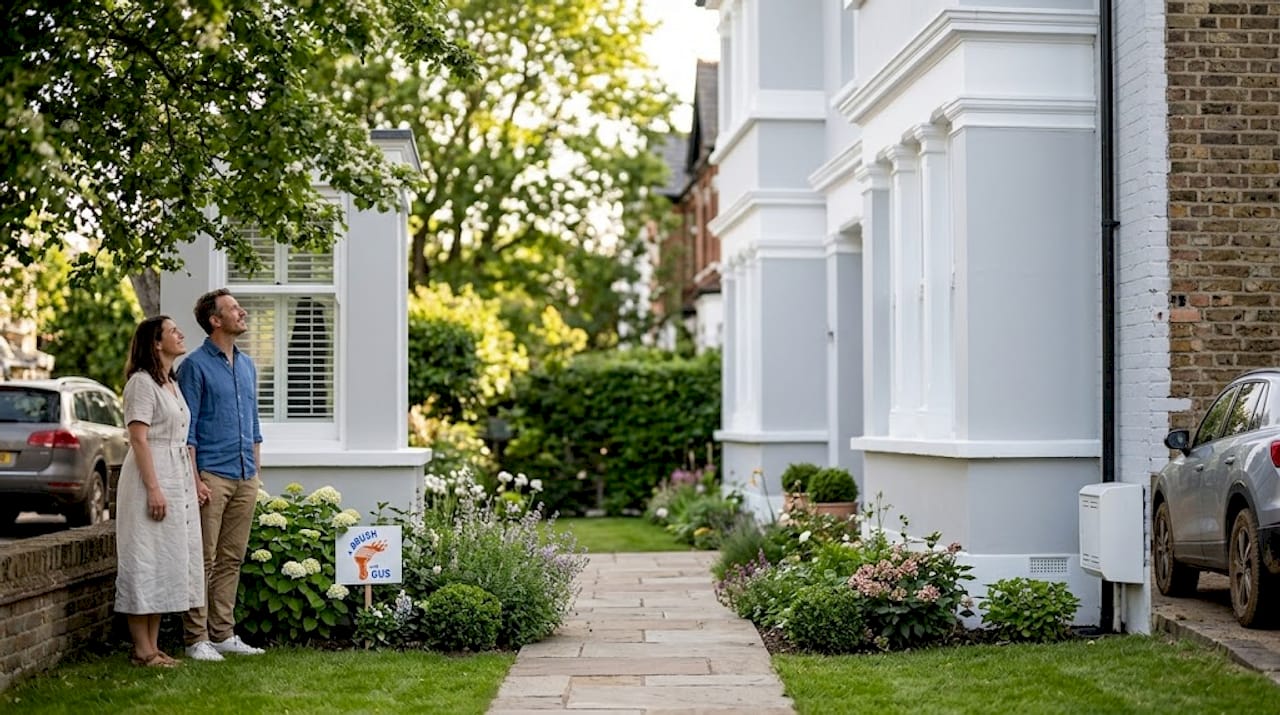
Repainting can add thousands to a home’s market value, and the return on investment is strong compared to many other home improvements. Consider this comparison:
Home improvement | Estimated cost | Estimated value added |
Exterior repaint | £1,500 to £4,000 | £5,000 to £15,000 |
New kitchen | £8,000 to £20,000 | £5,000 to £10,000 |
Loft conversion | £30,000 to £50,000 | £20,000 to £40,000 |
New bathroom | £5,000 to £10,000 | £3,000 to £6,000 |
The numbers speak clearly. Exterior repainting offers one of the highest returns relative to outlay of any home improvement project.
If you’re preparing to sell, here’s a practical sequence to follow:
Clean the exterior thoroughly, removing algae, dirt, and loose material.
Repair any cracks or damaged render before applying any paint.
Choose a neutral, contemporary colour that appeals to a broad range of buyers.
Use a quality masonry paint with a minimum 10-year guarantee where possible.
Repaint timber details including window frames, fascias, and soffits for a complete finish.
“A freshly painted exterior signals to buyers that a home has been well cared for. It removes doubt and builds confidence before the viewing has even begun.”
For sellers in particular, increasing property value through a repaint is one of the smartest pre-sale investments available.
Maintenance savings: Catching the signs and acting early
Now that we’ve covered value, here’s why ongoing maintenance matters so much. The most expensive exterior repairs almost always start as small problems that were ignored. A patch of peeling paint is not just unsightly. It is a signal that moisture has already begun working its way into the substrate beneath.
Regular repainting prevents expensive repairs and structural damage by maintaining a continuous protective layer. The general maintenance cycle for most exterior surfaces is every five to eight years, though this varies depending on paint quality, surface type, and exposure.
Here’s a cost comparison that makes the case plainly:
Scenario | Typical cost |
Routine repaint every 6 years | £1,500 to £4,000 |
Render repair after moisture ingress | £3,000 to £8,000 |
Structural damp treatment and replastering | £5,000 to £15,000 |
Timber replacement due to rot | £2,000 to £10,000 |
The pattern is consistent. Early action is always cheaper. Watching for the signs of wear on exterior walls means you can act at the right time rather than waiting for a crisis.
Key warning signs to watch for:
Chalking: A powdery residue on the surface means the paint binder is breaking down.
Bubbling or blistering: Moisture is trapped beneath the paint film.
Flaking or peeling: Adhesion has failed, often due to damp or poor surface prep.
Staining or discolouration: Could indicate water tracking down from gutters or roof details.
Visible cracks in render: Even hairline cracks allow water in during heavy rain.
Pro Tip: If you spot a small area of flaking, don’t wait for it to spread. Scrape back to sound paint, apply a suitable primer, and touch up with a matching topcoat. This buys you time and prevents the damage from worsening. The benefits of professional painting become especially clear here, as a trained eye will catch issues a homeowner might miss.
A professional’s view: What most homeowners overlook about exterior repainting
Here’s something most guides won’t tell you plainly: the biggest mistake homeowners make is not choosing the wrong paint. It’s waiting too long to act and then trying to fix it themselves.
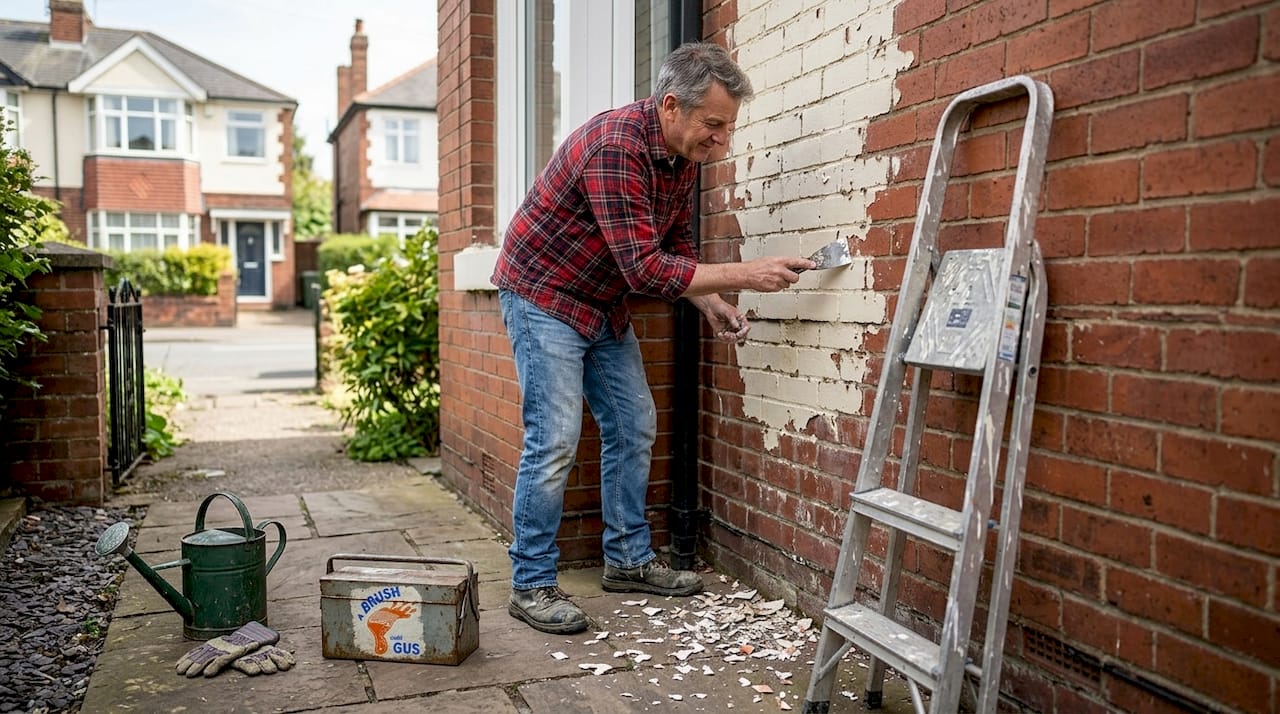
We see it regularly. A homeowner notices peeling paint, buys a tin from the DIY shop, and paints straight over the problem. No scraping, no priming, no addressing the underlying damp. Six months later the new paint is peeling too, and now the damage underneath is worse than before.
Proper preparation accounts for roughly 80% of a paint job’s longevity. That means cleaning, scraping, filling, priming, and allowing adequate drying time at every stage. It’s time-consuming and unglamorous, but it is what separates a finish that lasts a decade from one that fails in a year.
Scheduling repaints proactively, before visible deterioration sets in, is genuinely the smarter financial decision. You spend less, the prep is simpler, and the result lasts longer. Professional painting insights consistently show that a strategic, planned approach to exterior maintenance costs significantly less over a 20-year period than reactive repairs. Think of it less like decorating and more like servicing your car. You wouldn’t wait for the engine to fail before booking a service.
Get expert help to make exterior repainting easy and long-lasting
If reading this has made you think it might be time to look at your own exterior walls, you’re probably right.

At A Brush With Gus, Gus and Rhys bring years of hands-on experience to every exterior project across the South West. From thorough surface preparation through to a flawless finished coat, every job is handled with the care and precision it deserves. Our professional spraying services deliver a smooth, even finish that’s difficult to achieve with a roller alone, and our domestic exterior painting service covers everything from masonry to timber details. Get in touch today for a no-obligation quote and take the first step towards a home that looks great and stays protected.
Frequently asked questions
How often should I repaint exterior walls?
Most homeowners should repaint every 5 to 8 years, though surfaces in exposed coastal locations or those using lower-quality paint may need attention sooner.
Does repainting exterior walls help with damp?
Yes. A quality exterior paint acts as a physical barrier against rain and moisture. Paint prevents rain ingress and reduces the risk of damp penetrating your walls, which is particularly important in the South West’s wet climate.
Will repainting really increase my home’s value?
Freshly painted exteriors consistently make a strong impression on buyers and estate agents. Repainting can add thousands to your home’s market value, often delivering a higher return on investment than more expensive renovation projects.
Can I repaint over old paint or should it be removed?
Surface preparation is essential before any new paint is applied. Proper prep is essential and means scraping back any damaged or peeling areas, treating any damp, and priming bare surfaces before the new topcoat goes on.
Recommended
Comments