
Why invest in home painting: boost value and appeal
TL;DR:
Painting offers a high return on investment, increasing home value by up to 500%.
Professionally painted homes sell faster, look more appealing, and signal good maintenance.
Regular exterior and interior painting protect surfaces from weather damage and reduce costly repairs.
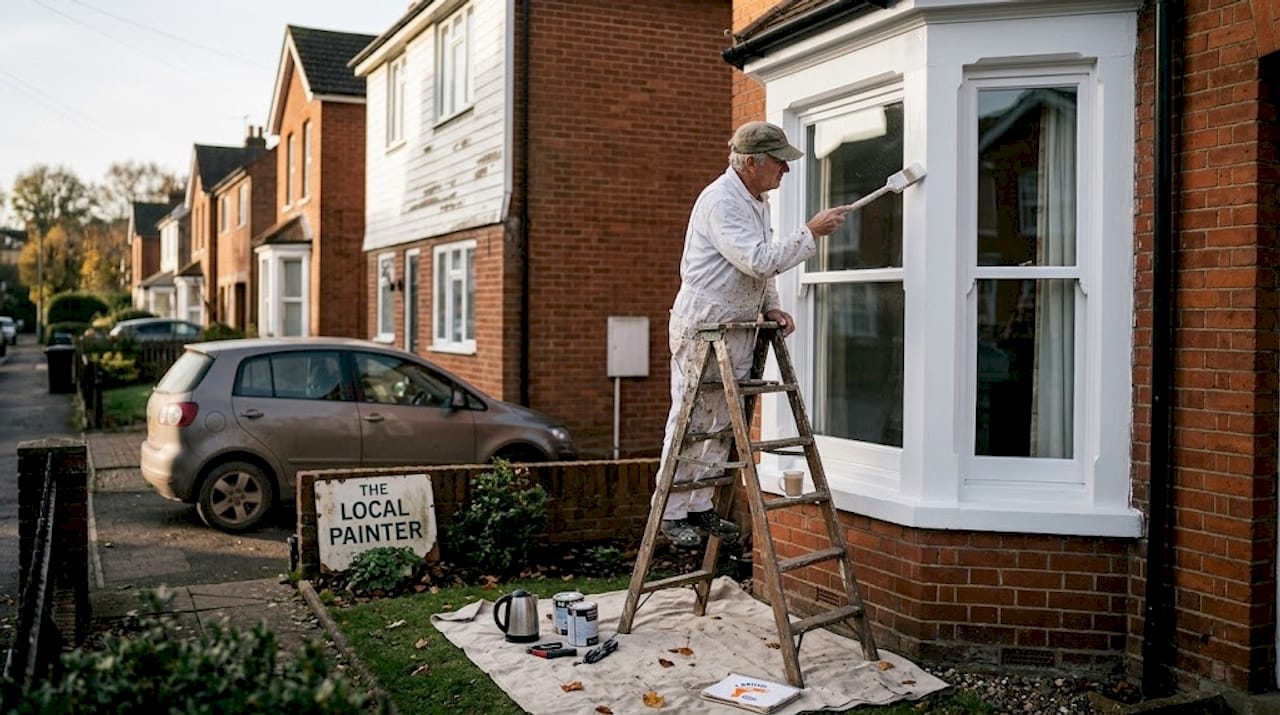
Most homeowners think of painting as a finishing touch, something you do when walls look tired or when you fancy a change. But that view undersells painting dramatically. A fresh coat is one of the few home improvements that pays you back more than it costs. Professional painting for a 3-bed house runs between £1,500 and £3,500, yet it can add £2,000 to £5,000 in property value, a return of 150% to 500%. Add in the protection it gives your home and the daily pleasure of living somewhere that looks great, and the case becomes very hard to ignore.
Table of Contents
Key Takeaways
Point | Details |
High return on investment | Painting your home adds up to five times its cost in property value. |
More appealing and modern | Fresh paint creates a modern, attractive space that appeals to more buyers. |
Protects your property | Quality painting shields surfaces from damp, mould, and weather-related damage. |
DIY or hire professionals | DIY can save money but pros deliver safer, higher quality and longer-lasting results. |
Quick sale advantage | A freshly painted home often sells faster and at a better price. |
How home painting adds value to your property
Painting is consistently ranked among the highest-return home improvements available to UK homeowners. The numbers are striking. A DIY repaint costs roughly £200 to £600 in materials, while a professional job for a 3-bed home sits between £1,500 and £3,500. Either way, the uplift in property value typically lands between £2,000 and £5,000. That is a return on investment most renovation projects simply cannot match.
Compare that to a kitchen extension, which might cost £30,000 and add £20,000 in value, or a new bathroom at £10,000 adding £5,000. Painting stands apart because the cost is low and the impact is immediate and visible. Estate agents consistently report that freshly painted properties sell faster and attract stronger offers, because buyers make up their minds within seconds of arriving.
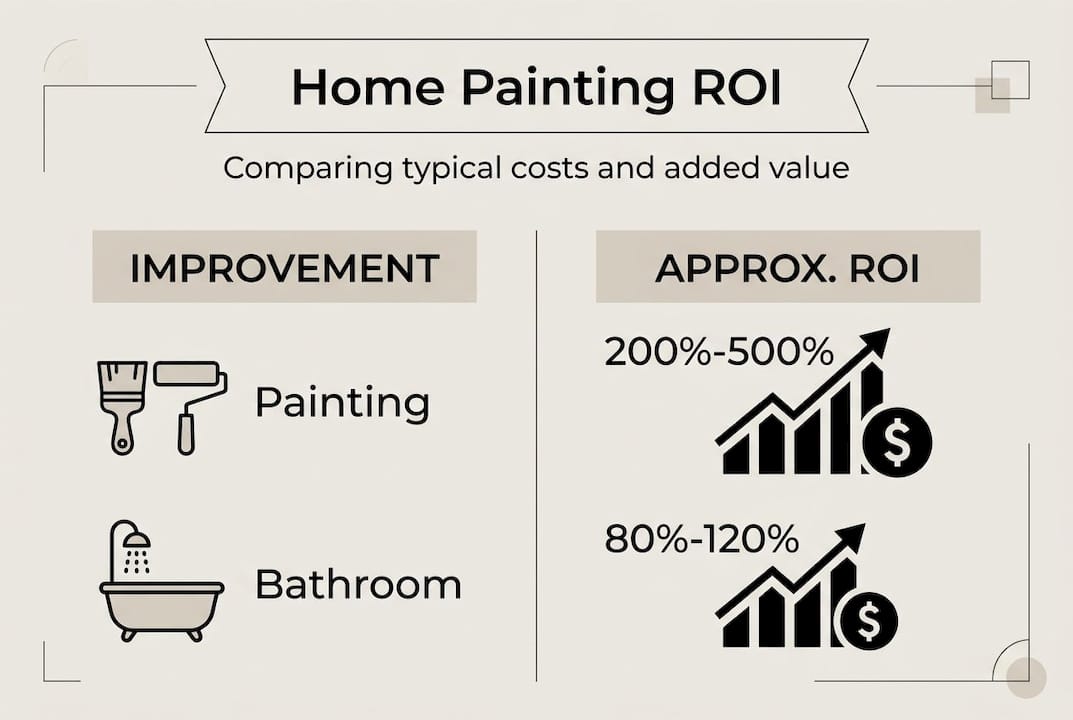
Here is a quick look at how painting compares to other common improvements:
Improvement | Typical cost | Estimated value added | Approx. ROI |
Professional painting | £1,500–£3,500 | £2,000–£5,000 | 150–500% |
New kitchen | £8,000–£25,000 | £5,000–£15,000 | 40–80% |
Loft conversion | £20,000–£50,000 | £15,000–£30,000 | 50–75% |
New bathroom | £5,000–£10,000 | £3,000–£6,000 | 40–70% |
Beyond the numbers, a well-painted home simply looks cared for. Buyers and visitors pick up on peeling paint, scuffed walls, and faded exteriors instantly. A clean, modern finish signals that the property has been maintained, which builds confidence and reduces the chance of buyers negotiating the price down. The benefits of professional painters extend well beyond aesthetics into buyer psychology.
Key value-adding benefits of a quality paint job include:
Modern, updated appearance that appeals to a wider pool of buyers
Maintained surfaces that suggest the home has been well looked after
Neutral or on-trend colour choices that help buyers picture themselves living there
Improved kerb appeal that draws people in before they even step through the door
For homeowners not planning to sell, the value is still real. You enjoy a better-looking home every single day, and you protect your surfaces from damage that would cost far more to fix later. Painting is one of the affordable improvements that boost home value without requiring a major budget or months of disruption.
Aesthetic transformation: Beyond fresh colour
Beyond pounds and pence, painting shapes how you and visitors experience your home. Walk into a room with scuffed, yellowing walls and you feel it immediately. The space feels smaller, older, and less welcoming. Walk into the same room freshly painted in a warm, considered shade and the difference is remarkable. The ceiling feels higher. The room feels cleaner. You feel better just being in it.

This is not just subjective. As painting boosts sale speed and price through curb appeal, the same principle applies inside: a fresh interior signals quality, care, and comfort to anyone who enters. Estate agents often describe a well-presented interior as the single most powerful tool for achieving a quick sale at the asking price.
The contrast between an outdated and a freshly painted home is stark:
Feature | Outdated finish | Fresh professional finish |
First impression | Tired, neglected | Clean, well maintained |
Perceived space | Smaller, darker | Larger, brighter |
Buyer confidence | Lower, more negotiation | Higher, fewer objections |
Emotional response | Uncomfortable, uninspiring | Warm, inviting, exciting |
For exteriors, the transformation is even more dramatic. Faded render, peeling window frames, and stained brickwork make a house look neglected from the street. A fresh exterior coat, combined with attention to curb appeal decorating tips, can make a property look decades younger. There is also real pride involved. Coming home to a house that looks sharp and well-kept lifts your mood in a way that is easy to underestimate until you experience it.
“Fresh paint is consistently cited by estate agents as the single best low-cost improvement a homeowner can make before selling. It enhances aesthetics, protects surfaces, and directly boosts both sale speed and final price.”
There is also the question of why paint exterior structures beyond the main walls. Fences, gates, garden walls, and outbuildings all contribute to the overall impression your property makes. Neglecting them undermines even the most careful interior work.
Pro Tip: Lighter, neutral shades tend to make rooms feel more spacious and appeal to the widest range of buyers. If you are painting before a sale, avoid bold or highly personal colour choices. If you are painting for yourself, pick shades that match the mood you want each room to create.
Protection from the elements and maintenance savings
A paint job delivers wow factor, but the benefits run even deeper, right to your home’s foundations. Paint is not just decoration. It is a physical barrier between your home’s surfaces and everything the British climate throws at them. Rain, frost, UV radiation, and airborne moisture all attack unprotected surfaces constantly.
Wood is particularly vulnerable. Without paint or a quality exterior coating, timber window frames, fascias, and cladding absorb moisture, swell, crack, and eventually rot. Replacing rotted timber is expensive. A regular painting schedule prevents that damage from ever taking hold. Metal surfaces face a similar threat from rust. Paint seals the surface and blocks the oxygen and moisture that cause corrosion.
The threats paint protects against include:
Moisture ingress leading to damp, mould, and structural damage
Wood rot in frames, sills, fascias, and cladding
Rust and corrosion on metal railings, gates, and fixings
UV degradation that fades and weakens surface materials
Mould and mildew growth on interior and exterior walls
Minor physical damage from everyday knocks and abrasion
Interiors are not immune either. Bathroom and kitchen walls without adequate paint or sealant absorb steam and moisture, creating ideal conditions for mould. A well-chosen paint with moisture-resistant properties, applied correctly after surface cleaning for preparation, creates a washable, hygienic surface that lasts years longer.
The financial logic here is straightforward. Spending £1,500 to £3,500 on a professional repaint every seven to ten years is far cheaper than replacing rotted window frames, treating damp, or repairing crumbling render. Proper painting preparation is a critical part of this protection, as paint applied over poorly prepared surfaces will fail early and leave surfaces exposed.
Pro Tip: Do not wait until paint is visibly peeling or flaking before repainting. By that point, the surface underneath may already be damaged. A proactive repaint on a regular schedule is always cheaper than reactive repairs.
Professional vs DIY painting: Which is best for your home?
Whether you are hands-on or hands-off, the right approach depends on multiple factors. DIY painting is perfectly achievable for many interior jobs, particularly single rooms, feature walls, or low-traffic areas where a less-than-perfect finish is acceptable. The cost saving is real: materials for a room might run to £50 to £150, compared to several hundred pounds for a professional.
But there are significant trade-offs. DIY painting takes considerably longer, especially if you factor in preparation, which is where most amateur jobs fall short. Skipping proper filling, sanding, and priming leads to a finish that looks fine at first but deteriorates quickly. Runs, brush marks, missed patches, and uneven coverage are common results.
“For exterior work in particular, professional painting is safer and produces a better, longer-lasting result. DIY exterior painting carries real risks around working at height, surface preparation, and product selection that professionals are trained to handle.”
Here is a simple decision process to help you choose:
Assess the scope. A single interior room is manageable as a DIY project. A full exterior repaint is not.
Consider the height. Anything requiring ladders or scaffolding is best left to professionals for safety reasons.
Think about the finish. If the result will be seen by buyers or guests, professional quality matters.
Factor in your time. A professional team can complete in days what might take you several weekends.
Calculate the real cost. When you include tools, materials, and your time, DIY is often less cost-effective than it appears.
For a detailed breakdown, the professional painting guide covers what to expect from a professional job, while our DIY painting advice helps you get the best possible result if you do go it alone.
What most homeowners miss about investing in painting
Having weighed the practical, financial, and emotional drivers, here is a perspective worth sitting with. Most homeowners only think about painting when they are about to sell. They rush it through as a last-minute fix, pick the cheapest option, and treat it as a box to tick. That approach misses the point entirely.
A strategic repaint, done properly and at the right time, pays off in ways that compound over years. You live in a better-looking, better-protected home. You avoid expensive repairs. You enjoy genuine pride of ownership every day, not just on moving day. The financial return at sale is real, but it is the smallest part of the picture.
We have seen homeowners spend tens of thousands on extensions and renovations while leaving tired, peeling paintwork untouched. It undermines everything else. Conversely, a home with beautiful, well-maintained paintwork feels premium regardless of its size or age. The expert painter benefits go far beyond a tidy finish. They represent a long-term investment in your home, your comfort, and your finances.
Ready to transform your home? Get started with trusted experts
If you have been putting off a repaint, now is a good time to act. Whether your priority is boosting value before a sale, refreshing tired interiors, or protecting your exterior from the South West’s unpredictable weather, the right professional service makes the process straightforward and the results last.
At A Brush With Gus, we offer domestic painting services for interiors of all sizes, full exterior home painting to protect and refresh your property’s appearance, and specialist spray painting solutions including UPVC spraying for a flawless, durable finish. Get in touch with Gus and Rhys today for a friendly, no-obligation quote.
Frequently asked questions
What is the typical return on investment for home painting?
You can expect a 150% to 500% ROI from home painting, adding between £2,000 and £5,000 to your property’s value depending on the scope of work and your location.
Should I DIY my home painting or hire a professional?
DIY is workable for straightforward interior rooms, but for exterior work and any job where finish quality matters, professionals deliver safer and longer-lasting results with fewer risks.
How often should I repaint my house to maintain value?
Interiors generally benefit from a refresh every 5 to 7 years, while exteriors typically need repainting every 7 to 10 years, though this varies with exposure to weather and the quality of the previous job.
How does painting protect my house?
Paint forms a physical barrier that blocks moisture, UV rays, mould, and minor physical damage, which reduces the likelihood of costly repairs to timber, render, and metalwork over time.
Does home painting really speed up selling my property?
Yes. Fresh painting boosts curb appeal and buyer confidence, and estate agents consistently report that well-presented, freshly painted homes sell faster and attract stronger offers than those left in tired condition.
Recommended
Comments