
Why regular exterior maintenance saves your home
TL;DR:
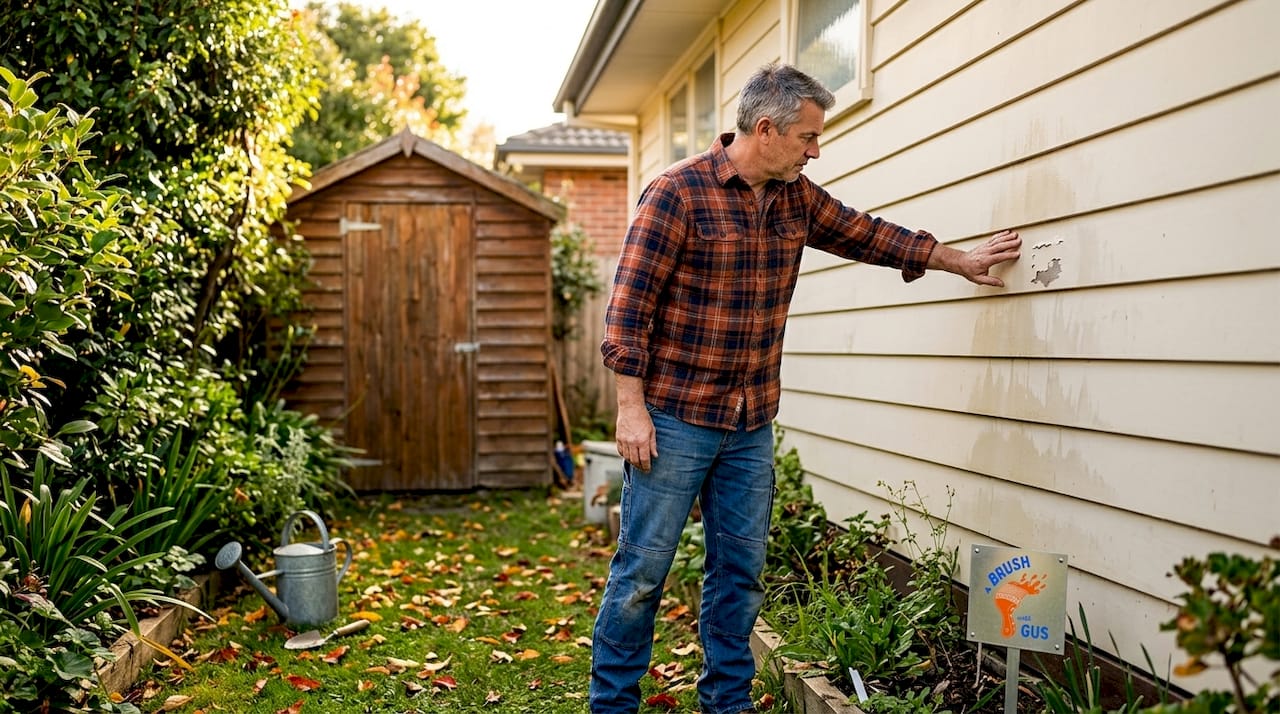
Neglecting exterior maintenance allows moisture and biological growth to cause hidden structural damage that increases repair costs. Regular inspections, timely cleaning, and professional care extend material lifespan, improve energy efficiency, and enhance property value. Proactive upkeep prevents costly issues, preserves curb appeal, and protects your home from long-term deterioration.
Most homeowners think of exterior maintenance as a cosmetic concern. Clean the driveway occasionally, repaint when the colour looks tired, maybe clear the gutters before winter. The truth is far more sobering. Why regular exterior maintenance matters goes well beyond appearances. Neglected exteriors develop hidden structural damage that compounds silently over months and years, and by the time problems become visible, the repair bill has already multiplied several times over. This guide breaks down exactly what is at stake, when to act, and how to protect your property properly.
Table of Contents
Key takeaways
Point | Details |
Neglect multiplies repair costs | Deferred exterior care allows moisture and biological growth to cause structural damage that costs far more to fix than it would to prevent. |
Spring inspections are critical | Checking your exterior after winter is the single most effective way to catch hidden moisture and structural problems early. |
Energy bills are affected | Poorly maintained siding and seals allow heat to escape, directly increasing your energy costs throughout the year. |
Method matters as much as frequency | Incorrect cleaning techniques can worsen damage; using the right approach protects surfaces rather than harming them. |
Professional care extends material life | Scheduled expert maintenance catches what homeowners miss and extends the lifespan of roofing, siding, gutters, and paintwork. |
Why regular exterior maintenance prevents costly damage
The biggest misconception about exterior deterioration is that it happens all at once. It does not. It happens in layers, gradually, and mostly out of sight.
Moisture is the primary culprit behind almost every serious exterior failure. Moisture intrusion and drainage failures sit at the root of most exterior deterioration, and once water finds a way in, biological growth follows quickly. Algae, mildew, and moss do not simply look unattractive. They actively trap moisture against the surface, which accelerates material breakdown from the inside out. Organic growth promotes moisture retention, and left unchecked, this leads to premature roof damage that can cost tens of thousands of pounds to replace.
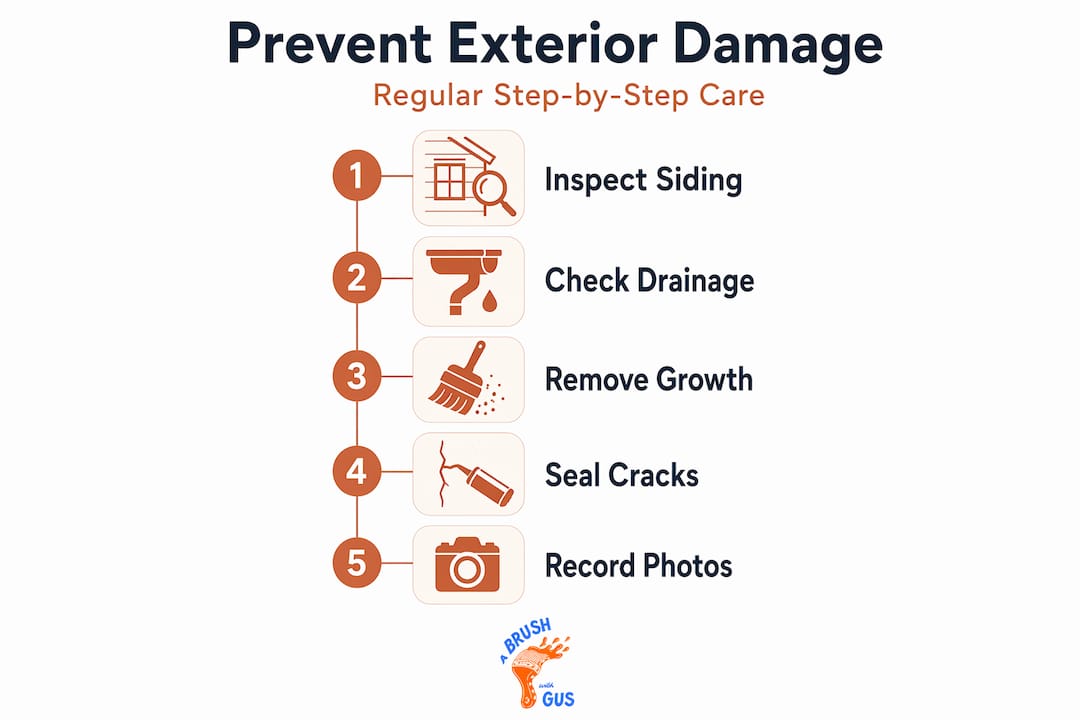
The hidden damage extends beyond roofing. Consider what happens when gutters are neglected. Clogged gutters cause water overflow that soaks fascia boards and erodes foundations, triggering structural repair costs that dwarf what a simple annual clearing would have cost. The same principle applies to cracked sealant around windows, flaking paintwork on timber frames, and untreated mould patches on render. Each problem starts small. Each one gets dramatically worse when ignored.
Here is what tends to deteriorate first when exterior care is deferred:
Fascia and soffit boards rot silently when gutters overflow and water sits against the timber
Roof tiles and granules degrade faster when biological growth is left to spread across the surface
Window and door frames allow cold air infiltration once sealant cracks and paintwork fails
Render and masonry absorb moisture through small cracks, which then expand through freeze and thaw cycles
Driveways and pathways become structurally unstable when surface algae traps water and frost cycles widen hairline cracks
Preventive maintenance reduces unexpected failures and produces measurable cost savings over time. The financial logic is straightforward: a tin of exterior paint and an afternoon of preparation costs a fraction of replacing rotted timber or repointing crumbling brickwork. Preventative maintenance compounds financial returns over years, making regular upkeep one of the most reliable investments a homeowner can make.
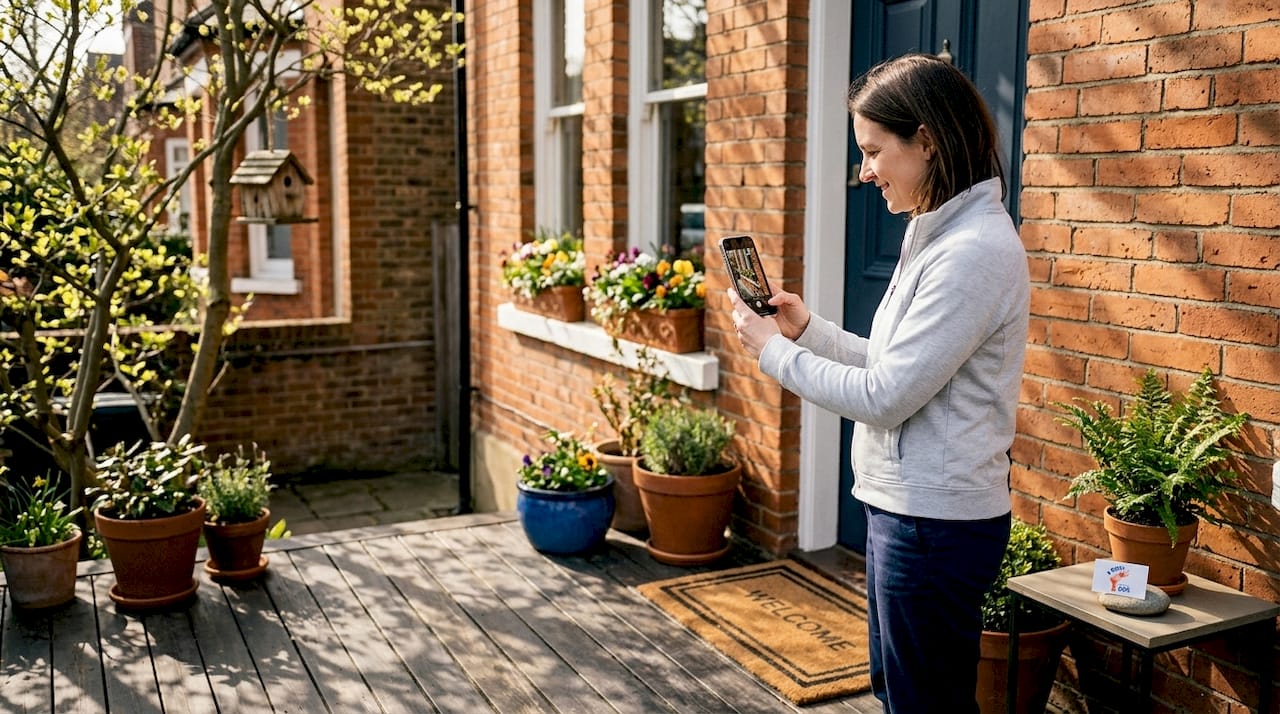
Pro Tip: Keep a simple photo log of your exterior each spring. Comparing images year on year reveals slow deterioration that is almost impossible to notice in real time.
The right time to act: seasonal maintenance schedules
Timing your exterior maintenance correctly is not about personal preference. It is about working with the conditions that affect material wear rather than against them.
Spring is the single most valuable window for exterior inspection. Spring inspections reveal hidden moisture and structural problems developed during winter, before summer heat and dry conditions mask them or accelerate existing damage. Winter in the UK brings persistent damp, frost cycles, and wind that test every seal, joint, and surface on your home. Spring is when you find out what failed.
A practical exterior maintenance schedule to follow each year:
Spring (March to May): Inspect the roof for displaced tiles, loss of granules, and algae patches. Check gutters for blockages and damage. Examine all window and door sealant for cracking. Look for paint failure on timber frames, particularly on north-facing elevations that received the least sunlight during winter.
Early summer (May to June): Complete any repainting, resealing, or cleaning identified during the spring inspection. This is the optimal window for exterior painting work, with lower moisture levels and consistently warmer temperatures aiding adhesion and drying.
Autumn (September to October): Clear gutters again following leaf fall. Check that sealant applied during summer has cured correctly. Inspect driveways for new cracking. Remove moss and algae from paths before winter frost cycles act on any moisture they are trapping.
Pre-winter (October to November): Confirm all drainage is clear and functioning. Address any outstanding paintwork or sealing tasks before temperatures drop below the minimum recommended for exterior coatings.
Exterior cleaning frequency should match environmental factors such as shade levels, humidity, and proximity to trees. A property surrounded by mature trees in a north-facing garden needs more frequent attention than one in full sun on an exposed site. Adjust your schedule to your specific conditions rather than following a one-size-fits-all calendar.
Pro Tip: Do not wait until you can see a problem from the pavement. Most serious exterior damage begins out of direct sightlines, around eaves, behind downpipes, and along the base of walls.
Energy efficiency and curb appeal: the overlooked benefits
Ask most homeowners why they maintain their exterior and they will say it is to prevent damage. Far fewer consider that regular upkeep directly affects energy bills and property value. Both connections are well established and worth understanding.
Well-maintained siding reduces heat loss by preserving the integrity of the barrier between the inside of your home and outdoor temperatures. When render cracks, joints open, and frames warp, air exchange increases. Your heating system works harder to compensate. A simple programme of exterior maintenance, from resealing windows to addressing cracked render, reduces draughts and cuts the energy wasted trying to heat a leaky house. Given the current cost of energy, the financial return on that maintenance is faster than most homeowners expect.
The visual case is equally strong. Well-maintained exteriors improve buyer confidence and property attractiveness, which matters at valuation and resale. Buyers and valuers form first impressions at the kerb. A freshly painted facade, clean render, tidy driveway, and well-sealed windows signal that the property has been cared for throughout. A tired, stained, or peeling exterior raises immediate questions about what else has been neglected inside.
Key maintenance tasks that pay dividends on both fronts:
Repainting render and masonry refreshes appearance while sealing the surface against moisture ingress
Cleaning pathways and driveways removes slip hazards and immediately improves the visual approach to your home
Treating and repainting timber features protects the material while contributing significantly to kerb appeal
UPVC and window frame maintenance keeps frames looking clean and functional, which directly influences how modern and cared-for the property appears
“Curb appeal is not decoration. It is the visible evidence of how well a home has been protected.”
For further inspiration on exterior decorating projects that boost both durability and appearance, the exterior decorating tips guide from Abrushwithgus covers practical approaches in detail.
Doing it safely: what to avoid and what works
Knowing you should maintain your exterior is one thing. Knowing how to do it without making things worse is another. There are several well-meaning approaches that cause more harm than the neglect they are meant to address.
The most common mistake is using a pressure washer at too high a setting. Inappropriate pressure washing pushes water behind surfaces, causes micro-fractures in masonry, and can strip protective coatings. Soft washing, which uses low pressure combined with appropriate cleaning solutions, removes biofilm safely without forcing moisture into joints and substrates. If you are hiring someone to clean your exterior, confirm they understand the difference.
Biological stain treatment is another area where surface results mislead. Treating biological stains cosmetically without addressing the underlying moisture source simply results in regrowth within a season. The moss or algae comes back because the conditions that allowed it to grow have not changed. A proper maintenance strategy addresses the source, whether that means improving drainage, pruning overhanging vegetation, or improving ventilation around the affected area.
Here is a quick comparison of approaches and their outcomes:
Approach | Short-term result | Long-term outcome |
High-pressure washing | Visibly clean surface | Potential surface damage and moisture ingress |
Soft washing with biocide | Clean surface with biological control | Reduced regrowth and safer surface integrity |
Cosmetic stain treatment only | Temporary improvement | Regrowth within months; root issue unresolved |
Addressing moisture source first | No immediate visual change | Lasting control of biological growth |
Routine sealing and repainting | Fresh appearance | Structural protection and extended material life |
Pro Tip: When cleaning exterior walls, always work from the top down. Starting at the base and working upward means dirty water runs over areas you have already cleaned, requiring you to repeat the work.
For homeowners who want professional-grade results without the guesswork, Abrushwithgus offers expert exterior cleaning services covering everything from render washing to path and driveway treatment.
My honest take after years of exterior work
I have been painting and maintaining home exteriors in the South West for a long time, and the pattern I see repeatedly is the same one. Homeowners notice something is not quite right, they make a mental note, and then life gets in the way. Six months later the note is still there, but the problem is now twice the size.
What I have learned is that people do not ignore their exteriors because they do not care. They ignore them because early-stage deterioration is genuinely hard to spot. A hairline crack in render, a barely-visible moss patch on the north side of the roof, gutters that overflow just slightly during heavy rain. None of these feel urgent. All of them become urgent if left alone.
The homeowners I have worked with who have the best-maintained properties are not the ones who spend the most money. They are the ones who inspect regularly and act early. They know what recognising early signs of paint failure looks like and they address it before it becomes structural. That shift in mindset, from reactive to proactive, is the single biggest difference between a home that holds its value and one that quietly deteriorates.
The other thing worth saying plainly: preventive maintenance is not just cheaper than reactive repair. It is significantly less disruptive. Repainting a timber frame takes a day. Replacing rotted timber takes a week, involves scaffolding, and costs four or five times as much. The maths is not complicated.
— Angus
Let Abrushwithgus take care of your exterior

Understanding the importance of exterior maintenance is one thing. Having experienced professionals carry it out is another. At Abrushwithgus, Gus and Rhys and their team work with homeowners across the South West to keep properties protected, looking their best, and holding their value year on year. From professional exterior home services including masonry painting, render treatment, and timber care, to specialist UPVC spraying for windows and doors, the team provides the kind of thorough, reliable work that makes a lasting difference. Get in touch with the team today for a no-obligation quote and find out how a scheduled maintenance visit could save you far more than it costs.
FAQ
What damage does neglecting exterior maintenance cause?
Neglected exteriors develop biological growth that traps moisture, causing rot in timber, granule loss on roofing, and foundation erosion from overflowing gutters. These issues compound over time and result in repair costs that far exceed what regular maintenance would have required.
How often should you carry out exterior maintenance?
Most homes benefit from a spring inspection, a summer maintenance and repainting window, and an autumn gutter clearance as a minimum annual cycle. Homes in shaded, humid, or high-rainfall environments may need more frequent attention.
Does exterior maintenance actually improve energy efficiency?
Yes. Well-maintained siding, sealed window frames, and intact render all reduce unwanted air exchange, which directly lowers heat loss and energy consumption throughout the year.
Can you pressure wash any exterior surface?
No. High-pressure washing can force water behind cladding, crack masonry, and strip protective coatings from surfaces. Soft washing with appropriate cleaning solutions is the safer and more effective method for most exterior materials.
How does regular upkeep affect property value?
Well-maintained exteriors improve buyer and valuer perceptions of a property, supporting stronger appraisal values and faster sales. Exterior condition is one of the first things assessed at both kerb and formal valuation stages.
Recommended
Comments