
Why regular maintenance painting protects your home
TL;DR:
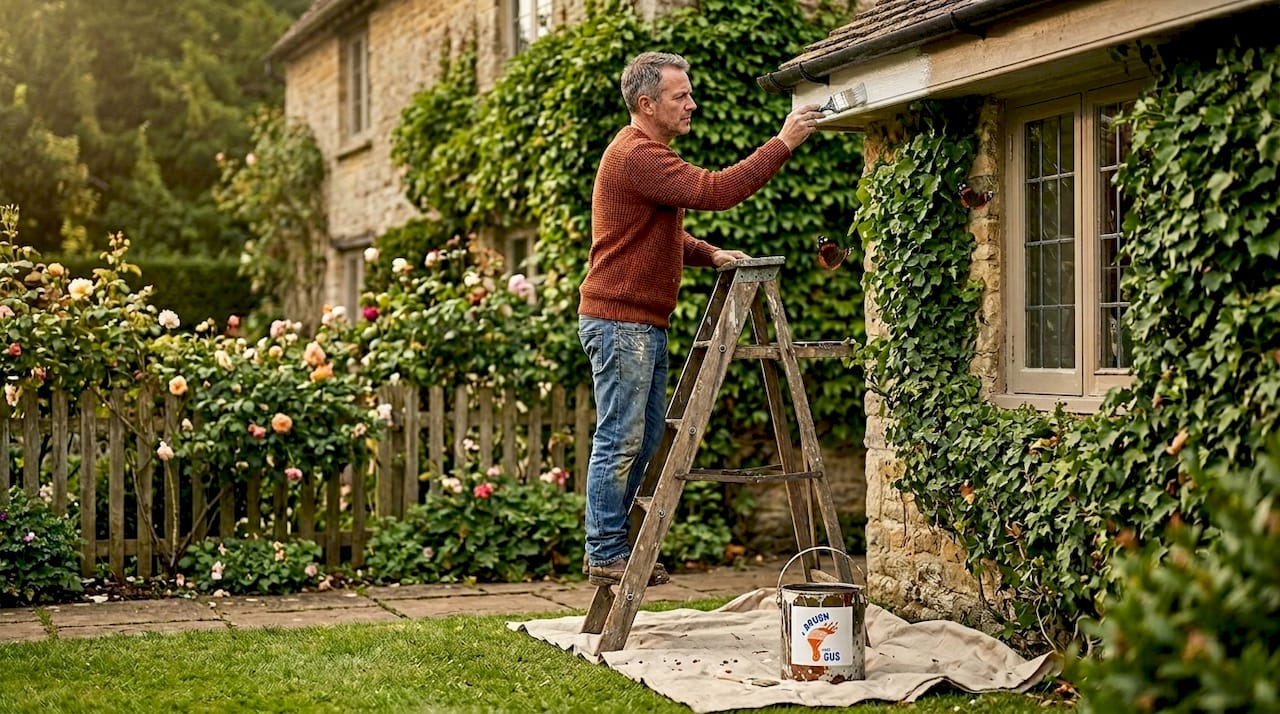
Regular maintenance painting acts as a vital protective barrier against South West weather, extending surface lifespan and preserving property value. Waiting for visible damage leads to higher costs, disruption, and potential structural issues that could have been prevented through proactive care. Scheduling routine inspections and timely repainting ensures durability, cost savings, and sustained curb appeal for homeowners.
Most homeowners only think about repainting when the damage is already visible. A blister here, a crack there, and suddenly what looked like a cosmetic issue has let moisture into the render. By that point, you are no longer just paying for paint. You are paying for repairs. The good news is that a straightforward programme of regular maintenance painting sidesteps that scenario entirely, protecting both the structure and the appearance of your property at a fraction of the cost of reactive fixes. This article explains why timing, climate, and a proactive mindset make all the difference for homes across the South West.
Table of Contents
Key Takeaways
Point | Details |
Prevention saves money | Regular painting avoids expensive future repairs by dealing with problems early. |
Timing is crucial | Plan repainting for late spring or summer for the best results in the South West UK. |
Protection and beauty | Routine maintenance painting keeps your home looking good and shields against weather damage. |
Professional help pays off | Expert painters know how to adapt maintenance to local conditions and maximise your home’s value. |
The true value of regular maintenance painting
Paint does a great deal more than make your home look attractive. It forms a physical barrier between your walls, timber, and metalwork and everything the South West weather throws at them. Salt-laden winds, driving rain, and strong summer UV all degrade surfaces over time. Fresh, well-applied paint slows that process considerably.
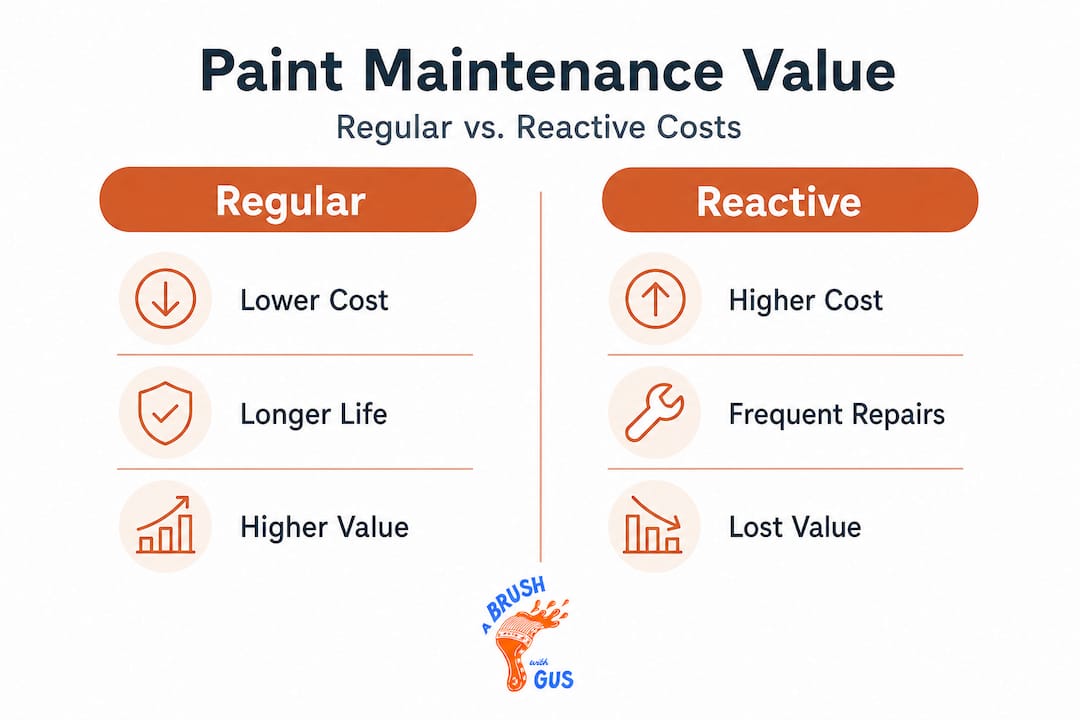
From a financial standpoint, the reasons to repaint go well beyond aesthetics. A maintained surface simply lasts longer. Timber that stays sealed does not rot. Render that stays coated does not crack and crumble. You avoid the kind of cumulative damage that escalates from a £500 repaint job into a £3,000 structural repair.
Kerb appeal also carries real monetary weight. Adding value with painting is well documented among property professionals in the UK. Estate agents consistently note that the exterior condition of a property shapes a buyer’s first impression within seconds of arrival, affecting their perception of internal condition before they have even stepped through the door.
Factor | Regular maintenance | Reactive approach |
Cost over 10 years | Lower, predictable | Higher, unpredictable |
Surface lifespan | Extended significantly | Shortened |
Structural risk | Minimal | High if neglected |
Property value impact | Positive, consistent | Variable, often negative |
Disruption to daily life | Low (scheduled visits) | High (emergency work) |
The comparison above makes the argument plainly. Scheduled maintenance keeps costs manageable and surfaces in good condition. Waiting until problems are obvious almost always costs more in both money and disruption.
Here are the core benefits of keeping your paintwork regularly updated:
Weather protection: Sealed surfaces resist moisture, wind, and UV far better than bare or degraded ones.
Reduced repair bills: Catching deterioration early prevents structural problems from developing.
Sustained kerb appeal: A consistently well-presented home holds its value and attracts attention for the right reasons.
Healthier indoor environment: Exterior paint that seals cracks keeps damp from penetrating walls, reducing the risk of mould inside.
Peace of mind: Knowing your property is protected removes the anxiety of wondering whether something is quietly deteriorating behind a failing coat of paint.
Pro Tip: Schedule a simple visual inspection of your exterior paintwork each spring. Look for any areas where paint is beginning to lift, fade heavily, or show hairline cracks. Catching these early keeps the job small and affordable.
“Maintaining paintwork on a regular cycle is one of the most cost-effective property decisions a homeowner can make. The cost of prevention is almost always a fraction of the cost of cure.”
Most homeowners underestimate how much quiet work a good coat of exterior paint is doing every single day. Think of it less like decoration and more like a waterproof jacket for your home. You would not wear the same jacket for a decade without checking whether it still keeps the rain out.
How often should you repaint? Timing matters in the South West
One of the most frequent questions we hear is simply: “How often do I actually need to repaint?” The honest answer depends on your specific property, materials, and location, but there are reliable benchmarks to work from.
Most homes need exterior repainting every 5 to 10 years, though material type and exposure can shift that range considerably. A sheltered stone property in rural Devon faces a very different set of challenges compared with a rendered semi-detached house a hundred metres from the coast in Cornwall. The latter may need attention closer to the five-year end of that range, sometimes sooner.
Surface material | Typical repainting interval | Key influencing factor |
Smooth render | 5–8 years | Coastal salt, heavy rainfall |
Timber cladding | 4–7 years | UV exposure, moisture cycling |
UPVC (painted) | 7–10 years | UV degradation, surface preparation |
Brick (painted) | 8–12 years | Breathability, pointing condition |
Metal railings/gates | 3–5 years | Rust risk, salt air exposure |
The South West’s weather and painting schedules are unlike those in other parts of England. The region’s maritime climate means winters tend to be wet, mild, and unpredictable. Frost may be rare, but persistent damp and low temperatures make it genuinely unsuitable for exterior painting. Paint applied in those conditions does not cure properly, leading to adhesion failures and premature breakdown. Late spring through mid-summer is the most reliable window for exterior application, when temperatures are stable and rainfall is reduced enough to allow proper drying.
Here is a straightforward three-step process to assess whether your home needs attention:
Walk the full perimeter: Look at every elevation in good daylight. South-facing and sea-facing walls take the most punishment and are where deterioration usually starts first.
Check specific risk zones: Focus on window frames, door surrounds, soffits, and any areas where two different materials meet. These joints and edges are where paint fails earliest.
Touch-test questionable areas: Where paint looks dull or powdery, run a finger across it. If colour transfers easily, the paint has begun to chalk and is losing its protective properties.
Following these steps seasonally, rather than waiting for obvious failures, means you can plan and budget for maintenance work on your terms rather than responding to an emergency.
Pro Tip: South-facing and coastal-facing walls receive more UV and salt exposure than north-facing ones. Check these areas at least once a year and expect to repaint them more frequently than sheltered elevations.
Understanding the best painting best practices for the South West specifically makes your maintenance investment go further. The right paint type, the right time of year, and the right surface preparation together determine how long any coat actually lasts.
Knowing how to recognise the signs you need exterior painting early gives you the advantage of planning, not reacting.
The protective power of paint: keeping your home resilient
It helps to think of exterior paint as a sacrificial layer. It is designed to absorb the impact of the elements so that your walls, timber, and metalwork do not have to. UV radiation breaks down the binder in paint over time, reducing its flexibility and causing cracking. Rain exploits those cracks to reach the substrate beneath. Salt in coastal air accelerates corrosion on metals and degrades render more quickly than in inland areas.
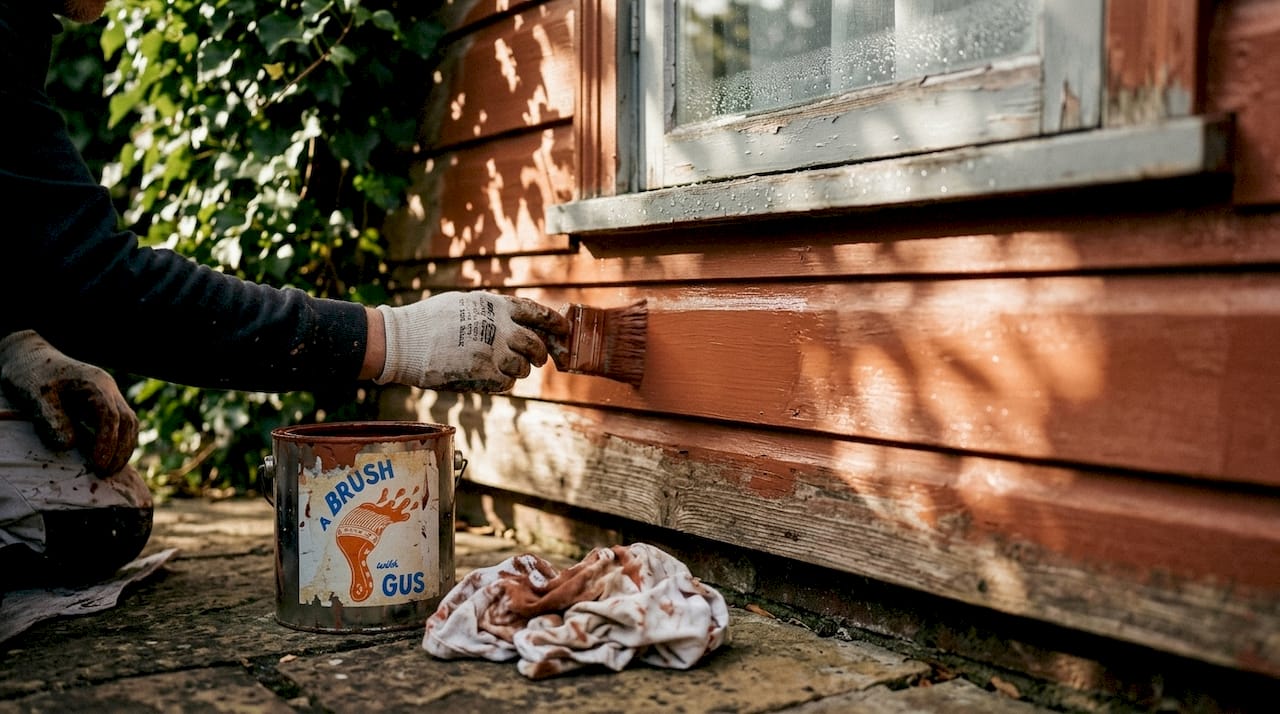
The protective benefits of paint are particularly important in the South West, where the combination of high rainfall, coastal exposure, and strong seasonal winds creates some of the most challenging conditions for exterior surfaces in England. A well-maintained coat of paint seals hairline cracks before they allow moisture ingress, blocks mould spores from penetrating porous surfaces, and slows the oxidation process on any metalwork.
Neglecting maintenance creates a predictable chain of events:
Timber decay: Moisture behind failing paint causes wood to soften, rot, and eventually fail structurally. Window frames and fascia boards are particularly vulnerable.
Render cracking and blowing: Water behind deteriorating masonry paint freezes and expands, causing render to crack or detach from the wall in sheets.
Rust staining: Exposed metal elements corrode and leave permanent staining on walls and masonry below them.
Mould and algae growth: Damp surfaces become colonised quickly in the South West’s mild, wet winters, leading to unsightly and potentially harmful biological growth.
Rising damp pathways: External failures can create new routes for moisture to track into the internal structure of a wall.
“In the South West’s maritime climate, the consequences of neglected exterior paintwork arrive faster than most homeowners expect. Salt air and persistent rainfall are unforgiving to unprotected surfaces.”
For a full guide to exterior painting, it is worth understanding exactly what is at stake on each surface type before deciding on your maintenance plan. The approach for a painted brick facade is genuinely different from the approach for timber cladding or metal railings.
DIY or professional painting? Choosing the smart approach
Once you have decided that maintenance painting is necessary, the next question is who should carry it out. This is not always a straightforward answer. It depends on the scope of the work, the height and access requirements, the condition of existing surfaces, and how confident you feel with preparation.
Use these steps to work through the decision sensibly:
Assess the scale: Small touch-up jobs on accessible surfaces, such as a garden gate or a low section of fence, are well suited to a confident DIY approach. Full exterior repaints are a different matter entirely.
Evaluate access requirements: Working at height introduces significant safety risk. If scaffolding or a tower is needed, a professional setup is almost always the safer and more cost-effective option.
Check surface condition: Sound, clean, previously well-prepared surfaces are easier to work with. Surfaces with failing paint, damp staining, or biological growth need proper stripping and treatment before any new coat is applied. Skipping this step means the new paint will fail prematurely.
Consider specialist finishes: Airless spraying, UPVC spraying, and masonry paint systems all require specific equipment and experience. Attempting these without the right tools typically results in an inferior finish.
Factor in your time: A professional team can complete a full exterior repaint in a fraction of the time it would take an experienced DIY enthusiast. For most working homeowners, the time cost alone makes professional services the practical choice.
The benefits of professionals extend well beyond speed. An experienced decorator will identify underlying issues during preparation, such as soft render, failed sealants, or early rot in timber, that a DIY painter might miss entirely. Catching these during a planned repaint costs far less than addressing them after a new coat has been applied over a compromised surface.
Understanding professional painting techniques also reveals why the results tend to last significantly longer. Surface preparation accounts for the majority of a paint job’s longevity. Professionals sand, fill, prime, and treat before a brush touches the topcoat. This stage is where most DIY attempts fall short, not because of poor painting, but because the preparation was rushed.
For most South West homeowners, exterior repainting every 5 to 10 years by a professional is a far more reliable and ultimately affordable strategy than a cycle of DIY attempts that need redoing sooner than they should.
Pro Tip: Small cosmetic touch-ups between professional repaints are genuinely worth doing yourself. Keep a small quantity of the original paint for this purpose. It keeps your home looking sharp between scheduled maintenance visits without unnecessary expense.
Why most people wait too long: our hard-won lesson on paint maintenance
We have worked on hundreds of homes across the South West, and the pattern is remarkably consistent. Homeowners call us when something has gone visibly wrong. Peeling paint, green algae spreading across the render, a window frame that has softened and begun to open at the joints. By that point, the job is always bigger, more expensive, and more disruptive than it needed to be.
The honest truth is that nobody wakes up one morning and decides to let their paintwork deteriorate. It happens gradually, in between the busy seasons of life, and it accelerates quietly until it cannot be ignored. The problem with that approach is that paint does not fail in isolation. It fails in a way that exposes the surface beneath to progressive damage that compounds over time.
We genuinely believe that paint care is like dentistry. Prevention keeps costs down, not panic repairs. You would not skip dental check-ups for a decade and expect to pay for a simple clean. The same logic applies to your home’s exterior.
The homeowners who invest in home painting on a scheduled basis consistently spend less over a ten-year period than those who defer until a crisis. They also avoid the stress of emergency callouts, the disruption of major scaffolding jobs, and the unpleasant discovery that what started as a failing coat of paint has become a render replacement or a timber frame repair.
A disciplined maintenance schedule, even if it is just a professional review every three years and a full repaint on a sensible cycle, is one of the highest-return property decisions you can make. It is not glamorous. But it works, every time.
Effortless maintenance painting with South West specialists
Keeping your home in excellent condition does not have to be something you manage alone. If this article has helped you understand the value of regular maintenance painting, the natural next step is finding a local team who understands exactly what South West homes face.

At A Brush With Gus, Gus and Rhys bring genuine regional knowledge to every job. They understand the coastal exposure, the rainfall patterns, and the specific challenges that come with maintaining rendered, timber-clad, and older properties across the region. Arranging an initial inspection or a free quotation is straightforward, and there is no pressure. Whether you need a full exterior home painting programme or you are exploring the full range of domestic painting solutions available to you, the team is ready to help you plan something that fits your property and your budget. Browse the full range of maintenance painting services and get in touch today.
Frequently asked questions
What is the best time of year to repaint my home’s exterior in the South West UK?
Late spring through mid-summer is the most reliable window, as the South West’s wet winters and low temperatures make proper paint curing difficult outside this period.
How often should I repaint my house exterior?
Most homes require exterior repainting every 5 to 10 years, though coastal locations or older surfaces in the South West may need attention closer to the five-year mark.
What are signs my home needs repainting?
Cracking, blistering, chalking, or noticeably fading paint are all clear signals, as is any visible moisture staining or algae growth on exterior surfaces.
Is regular maintenance painting more cost-effective than waiting for problems?
Yes. Proactive repainting on a scheduled cycle prevents expensive structural repairs from water damage, timber decay, and render failure, consistently costing less over time than reactive fixes.
Recommended
Comments